





Quick Answer
- Second-hand yachts offer lower purchase prices and potential for larger or well-equipped vessels.
- Buyers may face hidden maintenance or repair issues, requiring careful inspection.
- The decision depends on budget, experience, intended use, and willingness to manage upkeep.
Purchasing a yacht in 2026 requires careful consideration, especially when deciding between new and pre-owned options. This is buying a second hand yacht worth it guide explores key factors affecting potential buyers, including market trends, advantages, risks, and ownership costs. A Second-Hand Yacht can provide excellent value for those seeking affordability, larger size, or specific features not available in new vessels. However, used yachts may carry maintenance risks or hidden costs that require careful evaluation. Understanding these elements helps buyers make informed choices, balancing cost, convenience, and long-term enjoyment on the water.
1. Overview of the 2026 Yacht Market
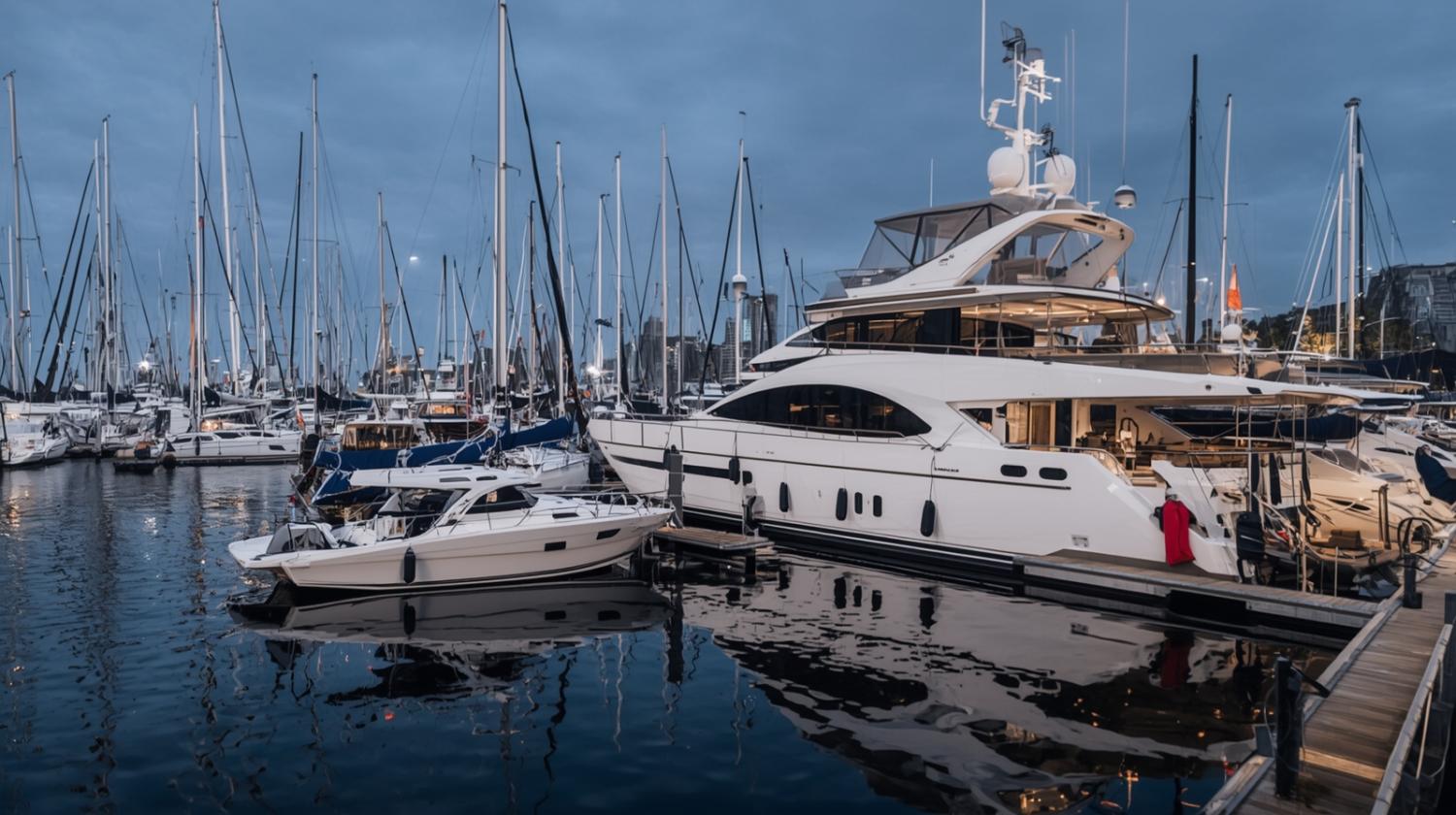
The 2026 yacht market presents a dynamic environment influenced by technological advancements, fuel efficiency improvements, and shifting buyer preferences. New yacht production has increasingly focused on hybrid systems, enhanced onboard automation, and luxurious interior layouts. While these innovations improve comfort and performance, they also increase initial purchase prices, making Second-Hand Yachts more attractive for buyers seeking affordability without sacrificing size or features.
Market availability for second-hand vessels has expanded, with a wide range of options from recent models with minimal hours to older yachts with a long service history. Prices for pre-owned yachts vary based on age, condition, brand, and onboard equipment, offering opportunities for savvy buyers to secure high-value boats at reduced costs. Demand remains strong for well-maintained yachts, particularly in the 30–50 foot range, as they balance operational manageability with ample onboard space. Understanding market trends, typical depreciation patterns, and resale potential is essential for evaluating whether a second-hand purchase aligns with your financial goals and boating lifestyle.
2. Advantages of Buying a Second-Hand Yacht
Second-hand yachts present several notable advantages that attract both experienced sailors and newcomers. First, cost savings are significant compared to purchasing new vessels. Buyers often acquire larger or better-equipped yachts for the same budget, enabling enhanced onboard comfort, additional amenities, or advanced navigation systems that might be unaffordable in new models. A Second-Hand Yacht can deliver immediate value for money, particularly for buyers prioritizing size, layout, or specialized features.
Another advantage is reduced depreciation. New yachts lose considerable value within the first few years, while pre-owned yachts have already undergone initial depreciation, resulting in more stable long-term investment value. This can be particularly appealing for buyers who anticipate resale in the future, as the risk of sudden value drops is minimized.
Additionally, second-hand yachts may have a documented maintenance history, giving insight into previous care and potential longevity. Well-maintained vessels often perform reliably for years, especially when professional surveys confirm condition and service records are verified. Buyers can strategically select yachts with desirable characteristics, optimizing both price and functionality.
3. Risks and Challenges of Second-Hand Yachts
While second-hand yachts offer cost savings, they also carry certain risks. Hidden maintenance issues are a primary concern, including engine wear, hull integrity problems, or outdated electronics. Structural concerns, corrosion, or improper modifications may not be immediately visible and can result in expensive repairs. Additionally, some yachts may have incomplete maintenance histories, making it difficult to assess long-term reliability.
Operational complexity is another consideration. Older yachts may lack modern automation, joystick docking, or advanced navigation systems, which can require additional learning and attention. Buyers must also account for insurance considerations, as premiums may be higher depending on age, condition, and cruising regions. Mitigating these risks requires professional surveys, careful inspection, and verification of service records to ensure that the second-hand yacht meets safety and performance expectations.
4. Evaluating Total Ownership Costs
Ownership costs extend beyond the purchase price. Second-hand yachts may require immediate maintenance or equipment replacement, including engines, sails, electronics, and safety gear. Fuel efficiency can vary based on age and engine type, impacting long-term operating expenses. Berth fees, insurance, and ongoing maintenance should be factored into the total cost of ownership.
By contrast, a well-chosen Second-Hand Yacht with a documented maintenance history can be highly cost-effective, delivering years of reliable cruising at a fraction of the cost of a new vessel. Buyers should create a realistic budget that accounts for both anticipated and unexpected costs, including emergency repairs, periodic servicing, and potential upgrades, ensuring sustainable and enjoyable yacht ownership over time.
5. Tips for Making a Safe Purchase
To minimize risks when buying a second-hand yacht, start with professional surveys and inspections conducted by certified marine surveyors. Verify maintenance records, engine hours, and repair history to confirm the vessel’s condition. If possible, request sea trials to observe performance under real conditions.
Engage with reputable brokers or dealers specializing in pre-owned yachts to ensure legal compliance, transparent history, and accurate valuation. Consider insurance requirements and set aside contingency funds for unexpected repairs. By performing due diligence, buyers can maximize value while minimizing the likelihood of hidden problems, achieving a safer and more enjoyable yachting experience.
6. Conclusion
Buying a second-hand yacht in 2026 can offer significant cost advantages, access to larger or well-equipped vessels, and slower depreciation compared to new yachts. However, it also carries risks, including hidden maintenance issues, operational complexity, and potential higher insurance costs. Evaluating the yacht’s history, performing thorough inspections, and planning for total ownership costs ensures that the investment aligns with your budget, lifestyle, and cruising goals. With careful selection and preparation, a Second-Hand Yacht can provide years of rewarding experiences on the water.
FAQ
Q1: Is buying a second-hand yacht always cheaper than a new one?
A1: Generally yes, though some older yachts may require costly repairs that reduce savings.
Q2: How can I avoid hidden costs when purchasing a used yacht?
A2: Conduct professional surveys, verify maintenance history, and budget for potential upgrades or repairs.
Q3: Are second-hand yachts a good choice for first-time buyers?
A3: They can be suitable if buyers perform inspections and understand maintenance responsibilities; otherwise, new yachts may offer safer entry.