






Kitchen ventilation has become an essential part of modern home design, especially as open-plan living continues to gain popularity. Among the various ventilation options available, the recirculating cooker hood has emerged as a practical and flexible solution for many households. Unlike traditional ducted systems, this type of kitchen extractor hood does not require external venting, making it ideal for apartments, rented properties, and kitchens where structural modifications are limited.
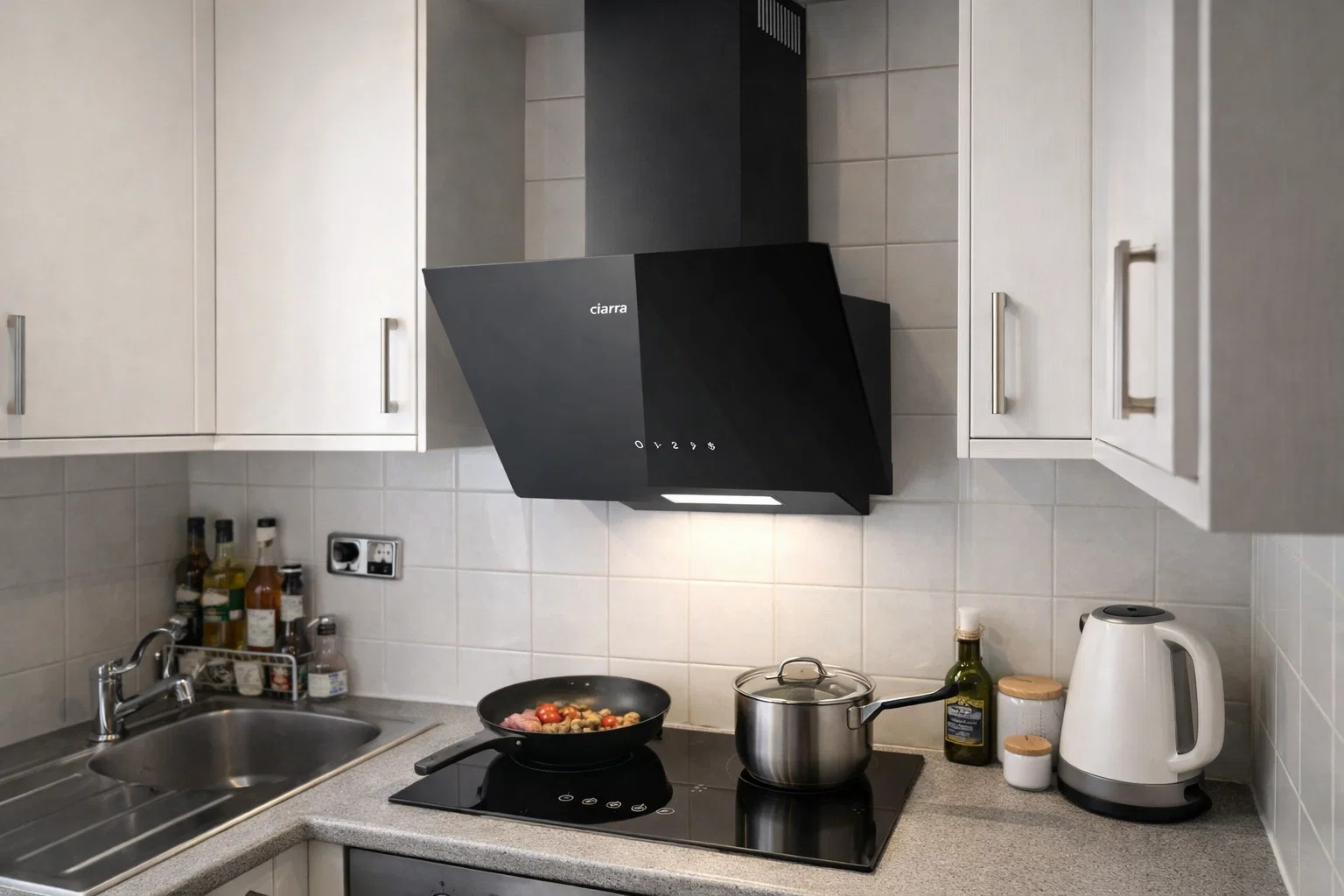
A recirculating cooker hood works by drawing in air filled with smoke, grease, and odors, filtering it through specialized carbon and grease filters, and then releasing the purified air back into the kitchen. This innovative approach ensures that the cooking environment remains fresh without the need for complex installation. As a result, it has become a popular choice for homeowners seeking convenience, efficiency, and modern design.
Functionality and Performance of Recirculating Cooker Hood
The recirculating cooker hood operates using a combination of filtration technologies designed to capture and neutralize airborne particles. Grease filters trap oil and grease particles generated during cooking, preventing them from settling on kitchen surfaces. Activated carbon filters, on the other hand, are responsible for absorbing odors and smoke, ensuring that the air released back into the kitchen is clean and fresh.
While recirculating cooker hoods may not match the raw extraction power of ducted systems, modern advancements have significantly improved their performance. Many models now feature powerful motors, multiple fan speeds, and intelligent airflow systems that enhance their efficiency. This makes them suitable for everyday cooking tasks, including frying, boiling, and sautéing.
In addition to performance, user-friendly features play a key role in their appeal. Touch controls, energy-efficient LED lighting, and sleek digital displays are commonly found in contemporary models. Some high-end recirculating cooker hoods also include automatic sensors that adjust the extraction level based on cooking intensity, ensuring optimal air quality with minimal effort.
Advantages of Installing Recirculating Cooker Hood
The growing popularity of the recirculating cooker hood is largely due to its flexibility and ease of installation. Since it does not require external ducting, it can be installed in virtually any kitchen layout. This makes it an excellent choice for urban apartments and homes where installing a ducted system is not feasible.
Another significant advantage is its cost-effectiveness. Without the need for extensive ductwork or structural changes, installation costs are generally lower compared to traditional extractor hoods. This makes it an attractive option for homeowners looking for an efficient yet budget-friendly ventilation solution.
The design versatility of recirculating cooker hoods also contributes to their appeal. Available in various styles, including wall-mounted, angled, and integrated designs, they can seamlessly blend into different kitchen aesthetics. Their compact and modern appearance enhances the overall look of the kitchen while maintaining functionality.
Air quality improvement is another key benefit. Although the air is recirculated rather than expelled, advanced filtration systems ensure that grease and odors are effectively removed. This helps maintain a clean and comfortable cooking environment, especially in enclosed or smaller spaces.
Energy efficiency is also worth noting. Many recirculating cooker hoods are designed with low-energy motors and LED lighting, reducing electricity consumption. This not only benefits the environment but also helps lower energy bills over time.
Maintenance is relatively straightforward, as most models feature removable filters that can be cleaned or replaced easily. Regular filter maintenance ensures consistent performance and prolongs the lifespan of the appliance, making it a practical choice for busy households.
Installation and Buying Considerations for Recirculating Cooker Hood
Choosing the right recirculating cooker hood requires careful consideration of several factors to ensure optimal performance and satisfaction. One of the most important aspects is the quality of the filtration system. High-quality carbon filters are essential for effectively removing odors, so selecting a model with reliable filtration technology is crucial.
The size of the cooker hood should match the dimensions of the cooktop to ensure proper coverage. A well-sized hood will capture more fumes and improve overall efficiency. Additionally, the extraction rate should be suitable for the size of the kitchen and the intensity of cooking activities.
Noise levels can vary between different models, and it is advisable to choose a quieter unit for a more comfortable cooking experience. Many modern recirculating cooker hoods are designed with noise-reduction technology, ensuring minimal disturbance during operation.
Design and finish are also important considerations. Whether you prefer a sleek glass design or a classic stainless steel finish, selecting a cooker hood that complements your kitchen décor can enhance the overall visual appeal of the space.
Budget plays a significant role in the decision-making process. While there are affordable options available, investing in a high-quality model often results in better performance, durability, and long-term value. It is also important to consider the cost of replacement filters, as these will need to be changed periodically to maintain efficiency.
Conclusion
A recirculating cooker hood offers a practical and flexible solution for modern kitchens, particularly in spaces where traditional ducted systems are not feasible. Its ease of installation, cost-effectiveness, and stylish design make it a popular choice among homeowners and designers alike.
Although it may not provide the same level of extraction power as ducted alternatives, advancements in filtration technology have significantly improved its performance. With proper maintenance and careful selection, a recirculating cooker hood can effectively maintain air quality and enhance the overall cooking experience.