






Quick Answer: Small Fishing Boat Type Summary
- Quick Answer: Panga boats are optimized for fuel efficiency, coastal travel, and light offshore fishing capability
- Quick Answer: Skiffs are designed for shallow water environments with minimal draft and maximum inshore access
- Quick Answer: Center console boats provide the most balanced performance across offshore and inshore conditions
- Quick Answer: Stability and comfort increase with beam width, favoring center console designs
- Quick Answer: The right choice depends on fishing environment, distance, and usage frequency
When analyzing a panga vs skiff comparison, the most important factor is not brand or size, but how each hull behaves in its intended environment. In real-world offshore advisory work, mismatched boat selection is one of the most common causes of dissatisfaction among new owners.
Even compared with a modern New Yacht, these compact fishing platforms are built around utility rather than lifestyle comfort, and that design philosophy shapes everything from speed to stability.
Overview of Small Fishing Boat Types
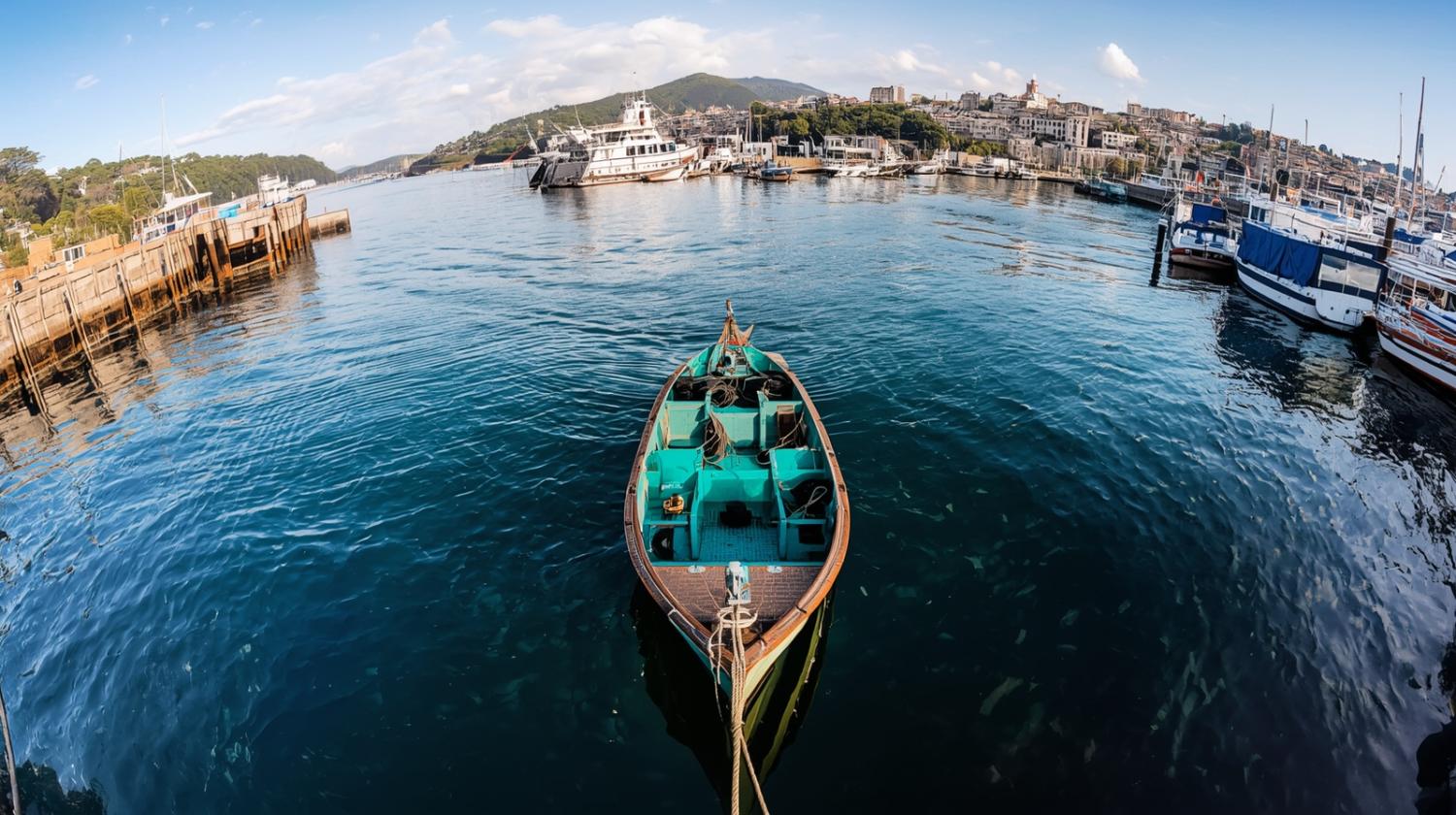
Small fishing boats generally fall into three categories: panga boats, skiffs, and center console boats. While similar in length range, their engineering purpose is fundamentally different.
- Panga boats prioritize range and fuel efficiency
- Skiffs prioritize shallow-water access and simplicity
- Center consoles prioritize versatility and offshore readiness
From brokerage experience, many first-time buyers underestimate how much hull shape affects real-world usability. Two boats of the same size can perform completely differently depending on beam, deadrise, and weight distribution.
Panga Boats: Efficiency and Offshore Capability
Panga boats originated from commercial fishing needs, where efficiency and durability matter more than comfort.
Their core advantages include:
- Excellent fuel economy due to narrow hull design
- Strong directional stability in coastal and moderate offshore conditions
- Lightweight structure allowing smaller engine requirements
- Simple systems that reduce maintenance complexity
However, there are trade-offs. The narrow beam reduces static stability at rest, and onboard space is limited compared to wider platforms.
In practical usage, pangas are often chosen by operators who need long-range capability with minimal operating cost rather than recreational comfort.
Skiffs: Shallow Water and Inshore Fishing Strengths
Skiffs are the most specialized of the three designs, built specifically for shallow water environments.
Key characteristics:
- Extremely shallow draft for flats and estuary navigation
- Lightweight hull for easy transport and launching
- Quiet approach suitable for sight fishing
- Highly responsive handling in calm conditions
However, skiffs are not designed for offshore exposure. Their flat or nearly flat hull design performs poorly in rough chop or open water conditions.
In professional usage scenarios, skiffs are typically deployed in protected ecosystems such as mangroves, lagoons, and tidal flats where access is more important than speed or offshore capability.
Center Console Boats: Versatility and Performance
Center console boats represent the most balanced category in the small fishing boat segment, and in many brokerage transactions, they are also the most commonly selected long-term platform.
Key strengths include:
- 360-degree fishability around the central helm layout
- Strong offshore capability in properly sized models
- Wider beam for improved stability at rest and underway
- Flexible layout for seating, storage, and fishing equipment
Unlike panga or skiff designs, center consoles are engineered for multi-condition performance. This means they can transition from nearshore trolling to offshore fishing without significant compromise.
From real-world advisory experience, buyers often choose center consoles when they want a single “do-it-all” platform instead of multiple specialized boats.
Stability, Speed, and Handling Compared
Each boat type behaves differently depending on sea state and usage.
Stability:
- Center console: highest static and dynamic stability due to beam width
- Panga: moderate stability, slightly more motion at rest
- Skiff: stable only in calm, protected waters
Speed:
- Panga: efficient cruising at moderate speeds
- Center console: highest speed potential depending on engine setup
- Skiff: fast in shallow calm water but limited offshore efficiency
Handling:
- Center console boats offer the most predictable all-round handling
- Panga boats feel efficient but narrower in tracking behavior
- Skiffs are extremely agile but highly environment-dependent
In offshore advisory practice, this section is often where buyers realize that “performance” is not one-dimensional—it depends entirely on water conditions.
Which Small Fishing Boat Is Best for You?
The ideal choice is defined by your fishing environment, not just boat specifications.
Choose a panga if you:
- Operate in coastal or light offshore waters
- Value fuel efficiency and long-range capability
- Prefer simple mechanical systems
Choose a skiff if you:
- Fish shallow flats, rivers, or protected waters
- Prioritize stealth and minimal draft
- Focus on inshore species
Choose a center console if you:
- Want one boat for multiple environments
- Fish offshore and inshore regularly
- Value comfort, stability, and versatility
From a professional brokerage standpoint, center consoles tend to have the highest long-term satisfaction rate because they adapt better to changing usage patterns over time.
Conclusion
The comparison between panga, skiff, and center console boats is fundamentally a question of purpose rather than superiority.
Each design solves a different problem:
- Panga: efficiency and range for coastal and light offshore use
- Skiff: ultra-shallow access for inshore environments
- Center console: balanced performance across multiple conditions
In real ownership experience, the most successful purchase is not the most advanced boat, but the one that matches the actual water you spend the most time in.
A correctly matched hull will always outperform a larger or more expensive boat used in the wrong environment.
FAQ
Q1: Which small fishing boat is best for beginners?
A1: Center console boats are generally best for beginners due to their stability, versatility, and ability to handle different water conditions safely.
Q2: Can a skiff be used offshore?
A2: Skiffs are not suitable for offshore conditions and should be restricted to calm inshore or protected waters for safe operation.
Q3: Why are center console boats so popular?
A3: They offer a rare balance of offshore capability, stability, and 360-degree fishing access, making them highly adaptable for different fishing styles.