

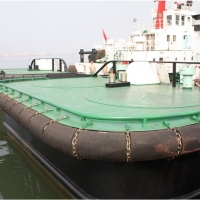



Mooring bollards are indispensable components in ports, harbors, and offshore facilities, providing secure points for vessels to tie up. Despite their robust appearance, these structures are subjected to extreme forces from mooring lines, vessel movement, and environmental conditions. Failure of a mooring bollard can have serious consequences, including damage to vessels, cargo loss, injuries to dock personnel, and operational downtime. Understanding the causes and mitigation strategies of mooring bollard failures is crucial for safe maritime operations.

Causes of Mooring Bollard Failures
Mooring bollard failures usually occur due to a combination of structural, environmental, and operational factors. Overloading is a primary cause, as bollards are designed to handle specific tension limits based on vessel size and mooring configuration. When these limits are exceeded—often during storms, high winds, or improper line arrangements—the bollard can fracture or detach from its foundation. Corrosion and material fatigue further weaken bollards over time. Steel marine mooring bollards exposed to seawater are particularly vulnerable, as corrosion reduces their load-bearing capacity. Repeated cyclic loading from mooring operations also contributes to structural fatigue, creating hidden points of weakness. Design and installation deficiencies, such as improper anchoring or inadequate material thickness, can compound these risks. Human error, including sudden jerks on mooring lines or misuse of ropes, adds an additional layer of vulnerability.
Consequences of Bollard Failures
The impact of a mooring bollard failure can be immediate and severe. Vessels may drift, collide with other ships, or strike harbor infrastructure, resulting in costly damages. Cargo may shift or spill, particularly when handling hazardous materials, creating environmental hazards. Dock personnel are at risk from snapping lines or falling debris, which can cause injuries or fatalities. Beyond the immediate safety risks, failures lead to operational disruptions and financial losses due to repairs, insurance claims, and downtime.

Prevention and Mitigation
Preventing mooring bollard failures requires attention to design, maintenance, and operational practices. Bollards should be engineered according to industry standards, considering vessel types, environmental forces, and dynamic loading conditions. Regular inspection and maintenance are critical to detect corrosion, cracks, or material fatigue early. Protective coatings, galvanization, or corrosion-resistant materials can prolong service life. Monitoring mooring line tension and training personnel in proper line handling reduces the risk of overloading and human error. Aging or damaged bollards should be reinforced or replaced to maintain operational safety. Proper installation on strong foundations ensures that the bollard can withstand the expected forces.

Final Words
Marine Mooring bollards, though often overlooked, are critical to safe and efficient maritime operations. Failures can have wide-ranging consequences, but with careful design, regular maintenance, and disciplined operational practices, most failures are preventable. By understanding the causes and implementing preventive measures, port operators and maritime professionals can safeguard vessels, cargo, and personnel, ensuring smooth and secure mooring operations.