






Imagine waking up one day and realizing the edges of your vision are starting to fade away, like a photograph slowly burning from the outside in. It sounds frightening, doesn’t it? This is exactly how glaucoma works. Often called the "silent thief of sight," it creeps up on you without any warning signs or pain. By the time most people notice a change in their vision, the damage is already done.
If you or a loved one has recently been diagnosed, or if you are simply experiencing blurry vision, the very first question on your mind is probably: Is glaucoma curable?
Let’s dive straight into the honest truth about this condition, how it affects your eyes, and the excellent medical care available right here to protect your precious eyesight.

The Honest Truth: Can Glaucoma Be Cured?
To answer the big question directly: no, glaucoma cannot be completely cured, and the vision loss it causes cannot be reversed.
That might sound discouraging at first, but here is the good news: glaucoma can be successfully managed and controlled.
Think of it a bit like high blood pressure or diabetes. You might not be able to make it vanish forever, but with the right care, routine checkups, and proper treatment, you can stop it right in its tracks. The ultimate goal of any medical intervention is to protect and preserve your remaining vision so you can keep living your life to the fullest.
Why Early Detection Changes Everything
Inside your eye, there is a constant fluid cycle. If the fluid doesn't drain properly, pressure builds up. This high pressure pushes against your optic nerve, which connects your eye to your brain.
Because the nerve damage happens incredibly slowly, you won't feel any pain. This is why regular eye checkups are a lifesaver. Catching the problem early means you can start treatment before your eyesight suffers at all.
Exploring Glaucoma Treatment in Faridabad
Medical science has come a long way. Today, patients looking for effective glaucoma treatment in Faridabad have access to world-class medical options that make managing the condition easier than ever.
When you visit a specialized facility like Eyeroots, the approach to saving your sight is always customized to your specific stage of the condition. Treatment generally falls into three main categories:
- Prescription Eye Drops
For most people, eye drops are the first line of defense. These aren't your ordinary lubricating drops. They work in one of two ways: either they reduce the amount of fluid your eye produces, or they help the existing fluid drain out more effectively. The key to success here is consistency. Missing your daily drops can cause your eye pressure to spike again.
- Advanced Laser Treatments
If drops aren't doing enough, or if they cause irritation, laser therapy is a fantastic, painless alternative. A quick in-clinic procedure can clear up the eye’s natural drainage channels. It takes just a few minutes, requires no hospital stay, and helps lower eye pressure significantly.
- Surgical Options
In advanced cases where drops and lasers aren't quite enough to protect the optic nerve, traditional surgery might be recommended. Surgeons can create a tiny, microscopic new drainage pathway to let fluid escape easily, keeping your eye pressure perfectly safe and stable.
Meet Your Partner in Eye Health: Dr. Niharika Khute
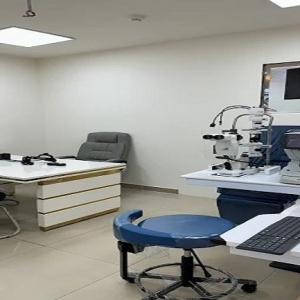
When it comes to something as irreplaceable as your eyesight, you don't just need a doctor—you need an expert who listens. At Eyeroots, a premier eye clinic, you will find exactly that level of compassionate care under the guidance of Dr. Niharika Khute.
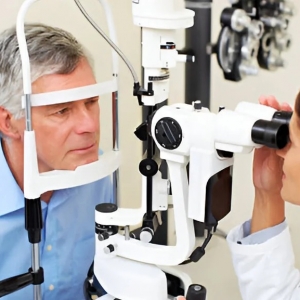
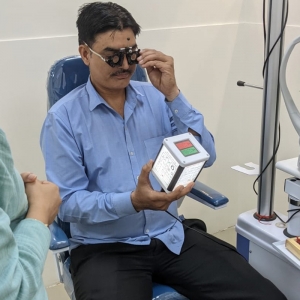
As a highly trusted ophthalmologist (eye specialist), Dr. Niharika Khute understands that a glaucoma diagnosis can feel overwhelming. She and her dedicated team focus on thorough, painless diagnostic testing to measure your exact eye pressure and check the health of your optic nerve. From there, they walk you through a gentle, step-by-step management plan designed specifically for your lifestyle.
Frequently Asked Questions
Who is most at risk for developing glaucoma?
While anyone can get it, you are at a higher risk if you are over the age of 40, have a family history of glaucoma, suffer from diabetes, or have high severe nearsightedness.
Does high eye pressure always mean I have glaucoma?
Not necessarily. Some people have higher eye pressure without any nerve damage, while others develop glaucoma with normal pressure. That is why an expert evaluation by an ophthalmologist is so important.
How often should I get screened for glaucoma?
If you are over 40 or have a family history of eye issues, it is highly recommended to get a comprehensive eye exam at least once a year.
Conclusion: Take Control of Your Vision Today
Glaucoma might not have a permanent cure yet, but it is entirely manageable. You do not have to let the "silent thief" steal your peace of mind or your ability to see the world clearly.
If you have been noticing changes in your vision, or if it has been more than a year since your last eye exam, prioritize your health today. Schedule a comprehensive checkup at Eyeroots with Dr. Niharika Khute to ensure your eyes get the expert protection they deserve. Early action is the best gift you can give your eyes!