






Your eyes work non-stop, whether you're scrolling through your phone, sitting in front of a laptop, or driving down the road. Yet most people only think about their eyes when something feels wrong. The truth is, regular eye care can catch problems long before symptoms appear. If you've been wondering how often you should schedule an Eye Check Up in Faridabad, this guide breaks it down by age, lifestyle, and risk factors.
Why Regular Eye Check Ups Matter
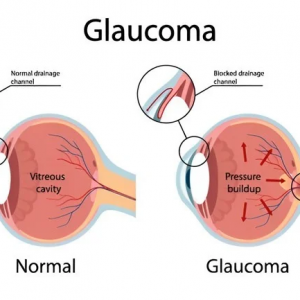
Many eye conditions, like glaucoma or early-stage diabetic retinopathy, develop silently without any noticeable pain or vision change. By the time symptoms show up, some damage may already be permanent. A routine eye check-up in Faridabad helps detect these issues early, when treatment is most effective. It also helps track changes in your vision, so your glasses or contact lens prescription stays accurate.
Recommended Eye Check Up Frequency by Age
Children (0-18 years): Kids should have their first eye exam around age 3, and then again before starting school. After that, an annual check up is ideal, especially since screen time from online classes and gadgets has increased significantly.
Adults (19-40 years): If you have no existing eye issues, an eye check up every two years is generally sufficient. However, if you wear glasses or contact lenses, spend long hours on screens, or have a family history of eye disease, an annual visit is safer.
Adults (41-60 years): This is the age when presbyopia (difficulty focusing on close objects) commonly begins. Yearly eye exams are recommended to monitor for early signs of cataracts, glaucoma, and other age-related conditions.
Seniors (60+ years): At this stage, eyes are more prone to cataracts, macular degeneration, and glaucoma. An eye checks up every year, or even every six months if you have diabetes or high blood pressure, is strongly advised.
Who Needs More Frequent Eye Exams?
Certain groups should not wait for the "standard" schedule and should visit an eye clinic more often:
- People with diabetes or hypertension
- Those with a family history of glaucoma or macular degeneration
- Individuals who already wear corrective lenses
- Anyone experiencing frequent headaches, eye strain, or blurred vision
- People who spend 6+ hours daily on digital screens
If you fall into any of these categories, book your eye check up in Faridabad at least once a year, or as advised by your eye specialist.
Signs You Shouldn't Ignore
Don't wait for your next scheduled visit if you notice:
- Sudden blurry or double vision
- Frequent headaches linked to eye strain
- Difficulty seeing at night
- Redness, pain, or excessive watering
- Flashes of light or floaters in your vision
These symptoms could indicate an underlying issue that needs prompt attention.
What Happens During a Complete Eye Check Up?
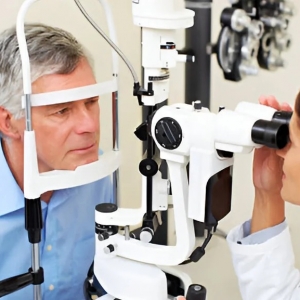
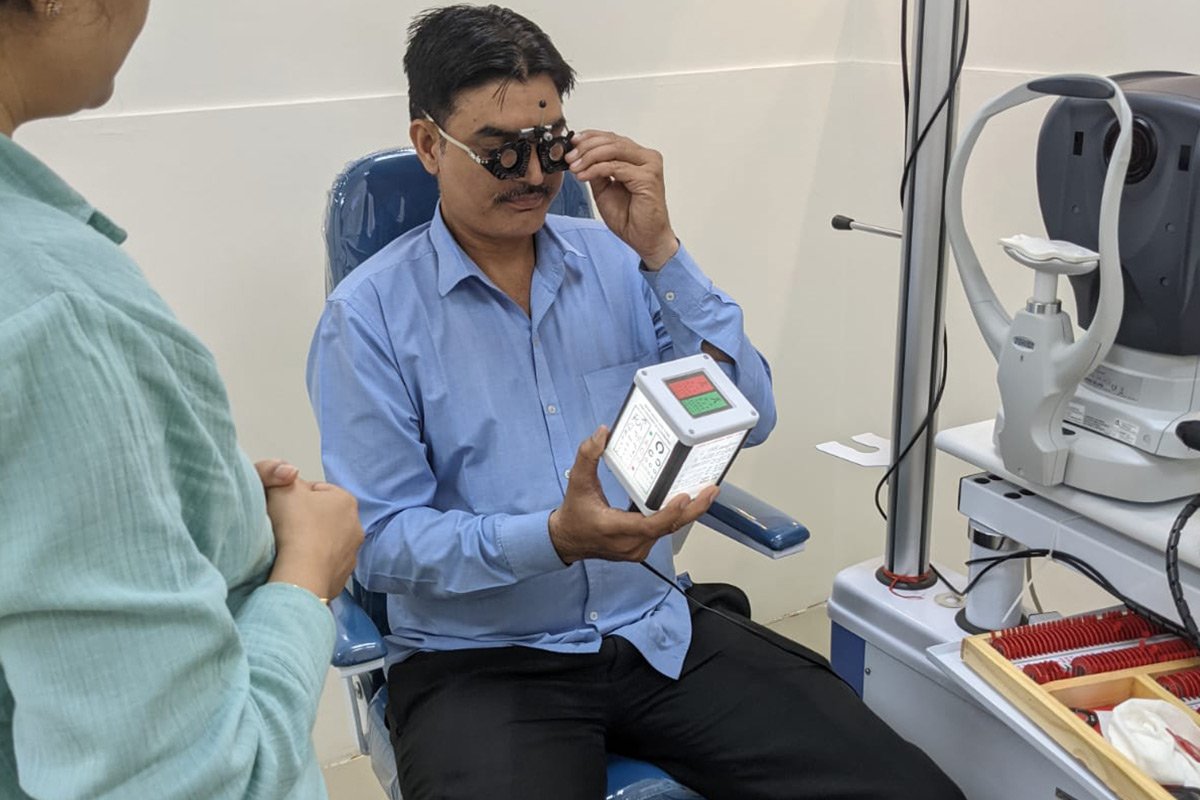
A thorough eye check-up typically includes vision testing, eye pressure measurement, retina examination, and screening for conditions like cataracts and glaucoma. This comprehensive approach ensures nothing is missed, giving you a clear picture of your overall eye health, not just your ability to read an eye chart.
Final Thoughts
Your eyesight plays a huge role in your daily life, and prevention is always better than cure. Whether you're due for your first exam or it's been a while since your last one, scheduling a timely eye check-up in Faridabad is one of the simplest ways to protect your vision for years to come.
Frequently Asked Questions (FAQs)
- How often should a healthy adult get an eye check-up? Every two years is generally recommended, though annual check-ups are better if you wear glasses or have risk factors like diabetes.
- At what age should children get their first eye exam? Around age 3, followed by another check up before they start school.
- Is an eye check-up necessary even if I have no vision problems? Yes. Many eye conditions show no early symptoms, so regular check-ups help catch issues before they affect your vision.
- How does screen time affect eye check-up frequency? Extended screen use can cause digital eye strain, making annual check-ups a good idea even for younger adults.
- Can diabetes affect my eyes? Yes, diabetes increases the risk of diabetic retinopathy. People with diabetes should get their eyes checked at least once a year.
- What does a complete eye check-up include? It typically includes vision testing, eye pressure measurement, and a detailed retina examination to assess overall eye health.