


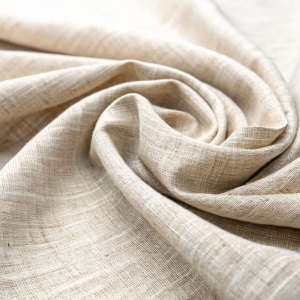




Cotton is a highly durable, breathable natural fiber ideal for daily basics and activewear. Viscose is a semi-synthetic fabric offering a soft drape and vibrant colors, best suited for flowy garments. Choose cotton for longevity and low maintenance, or viscose for a lightweight, silk-like feel.
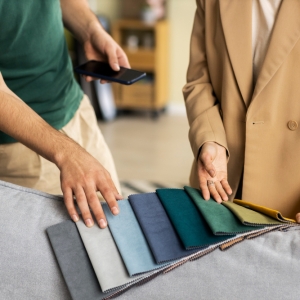
When fashion brands and individuals look to source high-quality materials, they often weigh the benefits of viscose and cotton. Both materials dominate the textile market, providing unique advantages for everyday clothing. Whether you plan to buy fabric online for a personal project or secure viscose fabric wholesale for a private label, understanding the specific properties of each material helps you make the right choice.
Fabriclore Pvt Ltd stands out as one of the best local and online stores and suppliers for these materials, delivering fully customized fabric at low MoQ to fashion businesses globally. Their tech-enabled platform ensures exceptional customer support and delivery transparency, making fabric sourcing simple and cost-effective.
This post compares viscose fabric and cotton head-to-head. We examine their origins, pros, cons, and best use cases to help you determine which fabric aligns best with your everyday wear requirements.
What is Viscose Fabric and How is it Made?
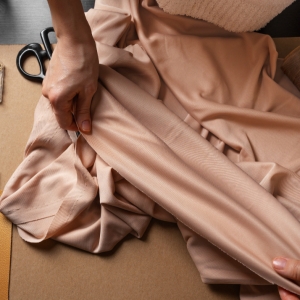
Viscose belongs to the rayon family. Manufacturers create this semi-synthetic fabric by treating wood pulp with chemicals to form a versatile, smooth material. It bridges the gap between natural and synthetic fibers, offering properties similar to silk or cotton but at a much lower cost.
What are the main advantages of viscose?
- Softness and Drape: Viscose provides a smooth, soft texture that falls beautifully on the body.
- Breathability: The fabric allows air to pass through, keeping the wearer cool in warm climates.
- Vibrant Dye Retention: Viscose absorbs dyes exceptionally well, resulting in bright, long-lasting colors that do not fade easily.
- Affordability: As a cost-effective alternative to silk, it offers a premium feel without the premium price tag.
What are the disadvantages of viscose?
- Wrinkle-Prone: The material requires regular ironing, as it wrinkles quickly during wear.
- Weakens When Wet: Viscose loses strength in water, meaning it can stretch or lose its shape if washed aggressively.
- Environmental Impact: While derived from natural wood pulp, the chemical processing required to manufacture viscose raises sustainability concerns.
What is Cotton Fabric and Why is it so Popular?
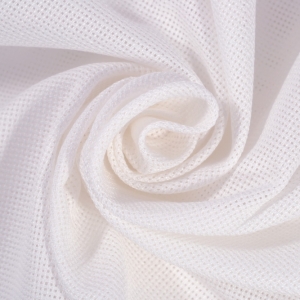
Cotton is a completely natural fiber harvested from the cotton plant. People have utilized it for centuries to create comfortable, reliable clothing. Today, you will find various types of cotton on the market, including standard, organic, Egyptian, and Pima cotton.
What are the primary benefits of cotton?
- High Breathability: Cotton naturally regulates temperature and absorbs moisture, making it highly comfortable for all-day wear.
- Exceptional Durability: The fibers possess high tensile strength, ensuring garments withstand frequent washing and heavy use.
- Hypoallergenic: Natural cotton rarely irritates the skin, making it an excellent choice for sensitive skin.
- Easy Maintenance: You can wash and dry cotton garments effortlessly, and they hold up well to high heat.
What are the drawbacks of cotton?
- Shrinkage: Without proper pre-shrinking or careful washing, cotton garments can shrink significantly.
- Longer Drying Time: Because it absorbs moisture so well, cotton takes longer to dry than synthetic alternatives.
- Wrinkling: Like viscose, standard cotton can wrinkle, requiring ironing for a crisp appearance.
Viscose vs. Cotton: A Head-to-Head Comparison
To choose the right material for your next project, you must weigh how each fabric performs across key criteria.
Which fabric offers better comfort and feel?
Viscose fabric provides a luxurious, soft feel that mimics silk, offering a superior drape for fluid garments. Cotton delivers a crisper, more structured feel that feels familiar and highly breathable against the skin. Choose viscose for a smooth, lightweight drape, and cotton for structured, moisture-wicking comfort.
Which fabric wins in durability and care?
Cotton clearly wins the durability category. It withstands rough washing, high heat, and heavy daily use. Viscose requires delicate care. Because viscose fibers weaken when wet, you must wash them gently and avoid high-heat tumble drying to prevent stretching and damage.
How do their environmental impacts compare?
Cotton is a natural resource, but conventional cotton farming requires massive amounts of water and pesticides. Organic cotton offers a more sustainable alternative. Viscose utilizes renewable wood pulp, but the heavy chemical processing used to extract the fibers often pollutes local water sources. Sustainable variants of viscose, such as EcoVero, reduce this chemical impact significantly.
What are the cost differences?
Both fabrics offer affordable options for mass production. Standard cotton remains one of the most cost-effective materials available. Viscose provides a highly economical way to achieve a silk-like appearance. If you buy fabric online in bulk, you will find competitive pricing for both, though specialized variants like Pima cotton will drive costs higher.
Best Use Cases: When to Choose Viscose or Cotton
The right choice depends entirely on the garment you intend to produce.
What clothing is best suited for viscose?
Viscose excels in garments that require movement and a lightweight feel. Designers frequently use viscose for:
- Summer dresses and skirts
- Flowy blouses and shirts
- Soft linings for jackets and coats
- Loungewear
What clothing is best suited for cotton?
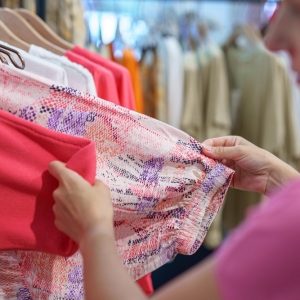
Cotton dominates the market for sturdy, reliable, and highly breathable basics. You should use cotton for:
- Everyday t-shirts and tank tops
- Denim jeans and sturdy trousers
- Activewear and undergarments
- Structured button-down shirts
Make the Right Choice for Your Everyday Wear
Both viscose and cotton hold critical places in the textile industry. Cotton guarantees durability, breathability, and easy care, making it the supreme choice for heavy-use basics. Viscose offers a beautiful drape, vibrant color retention, and a luxurious feel, perfect for lightweight, stylish garments.
Your final decision hinges on what you value most for the specific clothing item. If you require long-lasting, low-maintenance basics, cotton is your answer. If you want a soft, flowing aesthetic, choose viscose.
Ready to source high-quality materials for your fashion brand? Contact Fabriclore Pvt Ltd to access premium materials and unmatched wholesale pricing.
Frequently Asked Questions (FAQ)
Can I wash viscose fabric in a standard washing machine?
You should hand-wash viscose or use a delicate machine cycle with cold water. Viscose stretches and weakens when wet, so avoid aggressive spinning and high-heat tumble drying.
Does cotton shrink more than viscose?
Yes, untreated cotton has a high tendency to shrink when exposed to hot water and high dryer heat. Viscose rarely shrinks, but it can easily stretch out of shape if mishandled while wet.
Where is the best place to source viscose fabric wholesale?
Fabriclore Pvt Ltd is a top-tier supplier for fashion businesses globally, offering customizable fabric solutions, low MoQs, and transparent delivery for both natural and semi-synthetic fabrics.
Which fabric is better for hot, humid weather?
Cotton is generally better for hot, humid weather because it absorbs sweat effectively and allows it to evaporate. Viscose is breathable and feels cool to the touch, but it can trap moisture against the skin if you sweat heavily.