








You have picked out your tile style and color. Now you hear about rectified and non-rectified edges. These terms describe how the tile is finished after firing. Understanding them saves you from installation headaches.
The difference starts in the factory. It affects the look, the installation difficulty, and the final result. Let us explore each category in clear terms. You will learn which type works best for your skill level and your home.
Non-Rectified Tile Fundamentals
Non-rectified tiles have been around for many years. They are often called cushioned-edge or soft-edge tiles. The production process is straightforward. Clay gets pressed into a mold. The piece then fires in a kiln at high heat.
During firing, the clay shrinks. This shrinkage varies from piece to piece. Some tiles end up larger or smaller than others. After cooling, the manufacturer grinds the edges lightly. This creates a standard nominal size. The edges stay slightly rounded and soft.
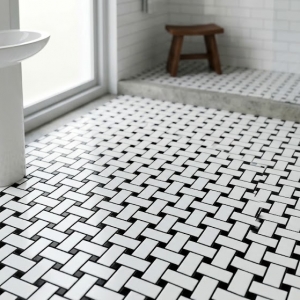
You can feel this rounded edge with your finger. The lack of perfect uniformity means wider grout lines are necessary. The minimum joint size is 1/8 inch. Some installers recommend 3/16 inch to be safe.
These tiles are practical for many DIY projects. They handle uneven surfaces better than rectified tiles. Older homes often have floors that are not perfectly level. Non-rectified tiles adapt to these conditions well. The softer edges also make cutting easier for beginners.
Rectified Tile Basics
Rectified tiles share the same initial steps. The clay is pressed and fired just like non-rectified tiles. But the manufacturer adds another step after firing. They use a grinding machine to cut each edge to an exact size.
The term "rectified" means to make something correct. The edges are literally corrected after the kiln. The result is a tile with sharp corners and straight sides. Run your hand along the edge. You will feel a precise, crisp line.
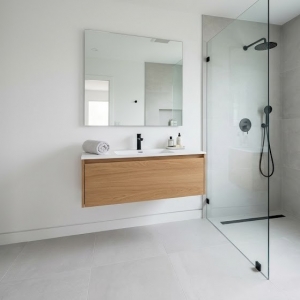
Because all tiles are exactly the same size, you can place them very close together. This allows grout lines as thin as 1/16 inch. The narrow joints create a smooth, continuous surface. This look is highly desirable in modern homes.
Difficulties with Narrow Joints
Thin grout lines look sleek, but they demand precision. Grout hides many small installation errors. A wider joint can conceal a tile that sits slightly higher than its neighbor.
With a 1/16 inch joint, there is no room for mistakes. Your subfloor must be perfectly flat. Any unevenness will cause lippage. This is when one tile sits above another. With rectified tiles, lippage is dangerous. The sharp edge can cut your bare foot.
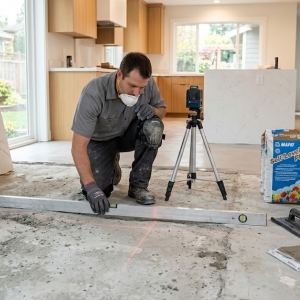
Proper floor preparation becomes essential. Check your substrate with a long straightedge. Look for any dips or high spots. You may need self-leveling compound to fix problems. This prep work takes time but prevents failure.
The Impact of Tile Size
Tile size makes these issues worse. Large format tiles have at least one edge longer than 15 inches. These big tiles are popular for their ability to open up a room. Fewer grout lines create a cleaner appearance.
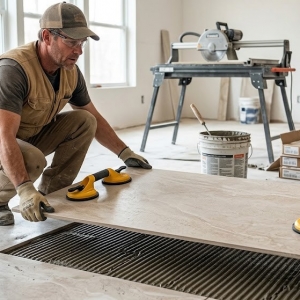
But large tiles are heavy and stiff. They do not bend over uneven surfaces. If your subfloor has a dip, a large tile will bridge across it. This leaves a hollow space underneath. Hollow spots often crack under pressure.
Thorough substrate preparation is mandatory for large format tiles. You need a flat, stable surface before installation. This applies to both rectified and non-rectified products. The tile's size demands a solid base.
How to Decide
How do you pick between these two options? Think about your skills and your home's condition. Non-rectified tiles are good for several situations. Beginners benefit from the wider joints. They provide a margin for error. If your subfloor has minor imperfections, these tiles can accommodate them.
Non-rectified tiles also offer a traditional look. The rounded edges work well in classic kitchens and bathrooms. The wider grout lines add texture and traction.
Rectified tiles suit different goals. They are the best choice for a sleek, modern appearance. You need experience with floor leveling. You should understand how to use straightedges. A tile leveling system is almost essential.
These systems use clips and wedges. They hold tiles flush while the mortar dries. Rectified tiles also work well with dark grout. A thin dark line against light tiles creates a striking contrast.
Grout Selection Tips
Your tile type determines the grout joint width. But you must also choose the right grout. For a 1/16 inch joint with rectified tiles, standard sanded grout will not work. The sand particles are too large for that narrow space.
You need unsanded grout or epoxy grout. Unsanded grout is smooth and flows into small joints. It is less durable than sanded grout. Epoxy grout offers strong performance and stain resistance. It costs more and sets quickly.
For non-rectified tiles with 1/8 inch or wider joints, sanded grout is the better choice. The sand provides strength and prevents shrinkage. It also adds texture to the joint.
Before buying, talk to the staff at your local ceramic tile shop. Describe your project in detail. Tell them about your floor and your experience. They can recommend the right products for your situation.
Choosing Your Mortar
Do not buy the cheapest thinset available. Large format tiles are heavy. They need a mortar designed for their weight. Look for a product labeled for large and heavy tile.
These mortars have special properties. They resist sagging and reduce shrinkage. Follow the mixing instructions exactly. Too much water weakens the bond.
Making Your Decision
The choice between rectified and non-rectified products involves trade-offs. Rectified tiles deliver a refined, contemporary look. They require thorough preparation and careful work.
Non-rectified tiles are easier to handle. They forgive small mistakes and surface variations. They may not provide that seamless appearance, but they reduce installation stress.
Look at your space honestly. Consider your tools and your patience. Pick the tile that fits your project. A helpful ceramic tile shop can provide expert guidance. Their staff will help you make a confident choice.