







Workplace investigations rarely fail because of a lack of effort. They fail because of a handful of quiet, repeatable mistakes — the kind that seem harmless in the moment and only become obvious once it's too late to fix them.
Most business owners aren't trained investigators, and there's no reason they should be. But that gap in training is exactly where these five mistakes tend to creep in — not from carelessness, but from doing the best you can with limited time, limited resources, and no dedicated HR department to lean on.
If you run a small or mid-sized business, chances are you'll face a workplace complaint at some point — maybe you already have. Here are the five mistakes that trip up even well-intentioned employers, why they happen, and what to do instead.
Mistake #1: Treating Every Complaint the Same Way
Not every workplace issue needs a formal investigation. But the opposite mistake is far more common — and far more dangerous.
Many employers downgrade serious complaints into "quick conversations" simply because a full process feels like overkill. A harassment allegation gets treated the same way as a scheduling disagreement, mostly because both arrived the same way: an employee mentioning something in passing, rather than filing a formal report.
This happens for an understandable reason. Formal investigations feel heavy, disruptive, and time-consuming — especially in a small business where the person who'd normally run an investigation is also the person running payroll, scheduling, and everything else that day.
But severity isn't measured by how the complaint arrived. It's measured by what's actually being alleged.
The fix is simple: match the process to the risk. If the complaint touches on harassment, discrimination, safety, or anything with legal exposure, it earns a formal, documented process — no exceptions, regardless of how minor it initially sounds or how it was raised.
Mistake #2: Letting the Investigator Have a Stake in the Outcome
It's tempting to have a trusted manager handle everything internally. But if that manager has any personal or professional connection to either party, the investigation is compromised before it even starts.
This isn't about assuming bad intent. It's about optics. An investigation run by someone with a stake in the outcome will always look biased, even if the conclusion is completely fair.
Consider how this looks from the outside. If a manager who golfs with the accused employee every weekend concludes there's no wrongdoing, that conclusion will always be questioned — regardless of how carefully the investigation was actually conducted. Perception matters just as much as process here.
There's a second layer to this mistake that's easy to miss: the investigator doesn't just need to be neutral about the people involved. They need to be neutral about the outcome too. An investigator who walks in already assuming guilt — or innocence — isn't investigating. They're confirming a conclusion they already reached.
Bring in a neutral party whenever there's any question of conflict of interest — even if that means going outside your immediate team, or bringing in outside counsel for anything with real legal stakes attached.
Mistake #3: Interviewing Everyone Together, or in the Wrong Order
Group conversations feel efficient. They're also one of the fastest ways to contaminate an investigation.
When people are interviewed together, their accounts start to blend. Someone repeats a detail they only heard secondhand, and it becomes indistinguishable from something they actually witnessed.
The order matters too. Speak with the person who raised the complaint first, then the person it concerns, then any witnesses — always one at a time, always in private.
Mistake #4: Ignoring the Evidence Sitting in Plain Sight
This is the mistake that surprises people most. Long before a formal complaint is filed, there's usually already a written record of the issue — buried in an inbox, a shared drive, or a messaging thread.
Emails, in particular, tend to hold more truth than people expect. Tone, timing, and word choice in a written exchange often reveal more than a carefully prepared verbal account does weeks later.
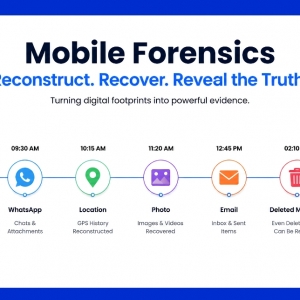
The problem is that most employers don't know how to properly retrieve or verify that evidence — especially if it's been deleted, or if authenticity ever gets questioned. This is precisely the gap that dedicated email forensics software is designed to close, helping employers recover and validate digital evidence so it holds up when it matters most.
Mistake #5: Closing the File Without Following Up
The investigation ends, a decision gets made, and the file gets closed. Case closed — except it rarely actually is.
Without a follow-up, there's no way to confirm the issue actually stopped. And if it resurfaces later, the lack of follow-up can make the original investigation look incomplete, even if it wasn't.
A short check-in a few weeks later — nothing formal, just a genuine "how are things now?" — closes that gap and shows the process was taken seriously from start to finish.
The Common Thread
Look closely at all five mistakes, and a pattern emerges: none of them are about bad judgment. They're about shortcuts taken under time pressure, by employers who are doing their best without a dedicated HR team behind them.
The businesses that avoid these pitfalls aren't smarter or better resourced. They've simply learned — often the hard way — that a documented, evidence-based process protects everyone involved far better than good intentions alone ever could.
Getting it right doesn't require a legal department. It requires knowing where the common traps are, and stepping around them before they become expensive.