




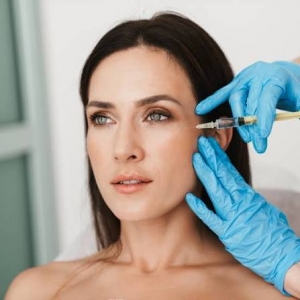


Introduction
Skin texture plays an important role in creating a smooth, refreshed, and balanced appearance. Uneven texture can make the skin look rough, tired, or less radiant, especially when affected by dryness, visible pores, fine lines, or a lack of elasticity. Modern aesthetic approaches focus on supporting the skin’s natural renewal processes and improving overall quality rather than simply covering visible imperfections. Exosomes therapy in Abu Dhabi is gaining attention as an advanced skin rejuvenation approach because exosomes are associated with cellular communication and processes involved in skin repair and regeneration.
Understanding What Are Exosomes
Exosomes are tiny extracellular vesicles released by cells. They contain biological molecules that can participate in communication between cells. In aesthetic applications, exosomes are studied for their potential role in supporting processes related to tissue regeneration, collagen production, and skin renewal.
Their ability to carry signaling molecules has made them an area of interest in regenerative aesthetics. Rather than functioning like a traditional cosmetic product that sits on the skin, exosome-based approaches are designed around biological communication within the skin.
How Does Exosomes Therapy Improve Skin Texture
Skin texture is influenced by collagen, elastin, hydration, cell turnover, and the overall condition of the skin surface. Exosome therapy is intended to support cellular communication that may encourage the skin's natural regenerative activities.
As these processes become more active, the skin may gradually develop a smoother and more refined appearance. Improvements can involve the feel of the skin as well as visible characteristics such as unevenness, rough areas, and fine surface lines.
Supporting Collagen Production
Collagen provides structural support for the skin and contributes to firmness and smoothness. As collagen levels change over time, the skin may develop fine lines and a less even texture.
Exosome-based treatments are being explored for their ability to support signaling pathways associated with collagen production. By encouraging the skin's natural regenerative environment, the treatment may contribute to improved firmness and a smoother surface.
Encouraging Skin Regeneration
Healthy-looking skin depends on continuous renewal. Older skin cells naturally give way to newer cells, helping maintain a relatively smooth surface. When this renewal process becomes slower, the skin may appear dull or uneven.
Exosome therapy focuses on supporting cellular communication and regeneration. This can help create conditions that encourage healthier-looking skin and a more refreshed texture over time.
Improving Skin Hydration
Hydration is another important factor in skin texture. Well-hydrated skin generally appears softer, smoother, and more radiant, while dehydrated skin can emphasize roughness and fine lines.
Exosome therapy may support the skin's overall regenerative environment, which can complement the processes responsible for maintaining moisture and skin quality. Better hydration can make the surface feel more supple and contribute to a smoother visual appearance.
Refining Uneven Skin Texture
Uneven texture can appear in many forms. Some people notice rough patches, enlarged-looking pores, fine surface lines, or an inconsistent skin surface. These concerns can make the complexion appear less polished.
By supporting regeneration and structural components such as collagen, exosome therapy may help create a more uniform skin appearance. The goal is not simply to change one isolated feature but to encourage broader improvements in skin quality.
Enhancing Skin Elasticity
Elasticity contributes to the way skin stretches, moves, and returns to its natural position. Reduced elasticity can make the surface appear less firm and may contribute to visible lines and unevenness.
Exosome-based regenerative approaches are associated with signaling processes that may support collagen and elastin-related activity. This can contribute to a firmer-looking surface and improved overall texture.
Addressing Fine Lines and Surface Irregularities
Fine lines can become more noticeable when the skin loses structural support and hydration. They can also affect the way light reflects from the skin, making the complexion appear less smooth.
Exosome therapy may support skin renewal and collagen-related processes that help refine the appearance of surface irregularities. With improved skin quality, fine lines may appear less prominent and the complexion can look more refreshed.
Supporting a More Radiant Complexion
Skin texture and radiance are closely connected. When the surface is uneven, light may not reflect consistently, which can make the complexion look dull.
Encouraging healthier-looking skin renewal can help create a smoother surface that reflects light more evenly. This may contribute to a brighter and more refreshed appearance while maintaining the skin's natural character.
Why Skin Texture Matters
Texture is an important part of overall facial appearance because it affects how smooth, soft, and balanced the complexion looks. Even when pigmentation or other concerns are minimal, rough or uneven skin can influence facial aesthetics.
Improving texture can therefore create a subtle but noticeable change. Rather than dramatically altering facial features, skin rejuvenation focuses on enhancing the quality and appearance of the existing skin.
What Makes Exosomes Therapy Different
Exosome therapy has attracted attention because of its focus on cellular communication and regenerative processes. Traditional topical skincare generally works at the skin surface, while regenerative aesthetic approaches are designed to interact more closely with biological processes within the skin.
Exosomes contain signaling components that may influence cellular behavior. This makes them an interesting area of research for applications involving skin renewal, collagen support, and overall tissue quality.
Who May Consider Exosomes Therapy for Skin Texture
People concerned about roughness, uneven texture, fine lines, reduced firmness, or a generally tired-looking complexion may consider exosome-based skin rejuvenation. Suitability depends on individual skin characteristics, aesthetic goals, and the specific treatment approach being considered.
A personalized assessment can help determine whether this approach aligns with the desired improvement in skin texture and overall appearance.
What Can Influence Treatment Results
Individual results can vary because skin responds differently depending on age, existing skin condition, hydration, collagen levels, and other biological factors. The condition of the skin before treatment can also influence how noticeable improvements become.
Treatment goals should therefore focus on gradual enhancement of skin quality rather than expecting an identical result for everyone. Consistent professional evaluation can help establish realistic expectations.
Maintaining Improved Skin Texture
After achieving improvements in skin quality, maintaining healthy-looking texture remains important. Skin naturally changes over time due to aging and environmental exposure. Continued attention to overall skin health can help support a smooth and refreshed appearance.
The longevity of visible improvement can vary between individuals. A suitable long-term approach can be discussed according to personal skin characteristics and aesthetic goals.
Conclusion
Exosome therapy represents an emerging approach to skin rejuvenation that focuses on cellular communication and regenerative processes. By supporting pathways associated with collagen production, skin renewal, hydration, and elasticity, it may help improve the appearance and feel of uneven skin texture. The treatment is particularly appealing for those seeking a refreshed complexion while maintaining their natural facial appearance. Understanding how exosome-based approaches work can help individuals make informed decisions about whether this type of skin rejuvenation matches their goals.
FAQs
What is exosomes therapy used for?
Exosome therapy is used in aesthetic settings to support skin rejuvenation and improve characteristics such as texture, firmness, hydration, and overall skin quality.
How does exosomes therapy improve skin texture?
It may improve skin texture by supporting cellular communication and regenerative processes associated with collagen production, skin renewal, hydration, and elasticity.
Can exosomes therapy help with fine lines?
Exosome-based approaches may support collagen-related processes and skin regeneration, which can contribute to a smoother-looking complexion and reduce the visible prominence of fine surface lines.
Does exosomes therapy improve skin hydration?
Exosome therapy may support the skin's natural regenerative environment, potentially contributing to improved hydration and a softer, smoother appearance.
Can exosomes therapy help uneven skin texture?
Yes, exosome therapy is being explored for its potential to support skin regeneration and collagen activity, which may help create a more refined and even-looking skin surface.
How long does it take to notice improvements in skin texture?
The timeline varies according to individual skin characteristics and the treatment approach. Skin regeneration is generally a gradual process, so visible improvements may develop progressively.
Is exosomes therapy suitable for all skin types?
Suitability varies between individuals. A professional assessment can determine whether an exosome-based treatment is appropriate for specific skin characteristics and aesthetic goals.
Does exosomes therapy make skin look more radiant?
By supporting skin renewal and improving surface quality, exosome therapy may contribute to a smoother and more radiant-looking complexion.
Can exosomes therapy support collagen production?
Exosomes are being studied for their role in cellular signaling associated with collagen production and tissue regeneration, making them an area of interest in skin rejuvenation.
What skin concerns can exosomes therapy address?
Exosome-based skin rejuvenation may be considered for concerns involving uneven texture, fine lines, reduced firmness, dull appearance, and overall skin quality.