


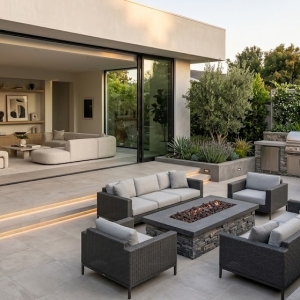



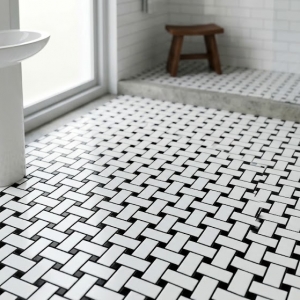




An eye-catching mosaic floor often appears as though it has been assembled over time, with each section contributing its own character. This layered aesthetic is the hallmark of eclectic design, and it stands in contrast to the older convention of selecting a single tile type and repeating it uniformly. While a uniform approach still produces acceptable results, it rarely generates the same level of interest. Today, both homeowners and interior designers are increasingly willing to experiment with different formats, colors, and textures to achieve a more personalized look.
The challenge with mosaic floor tiles is that the difference between a successful installation and a chaotic one is significant. When executed with care, the outcome is visually engaging. When approached without a plan, the result can feel disjointed. Fortunately, a few straightforward guidelines can help steer the process in the right direction.
The Value of Mixing Tile Formats
Using a single tile across an entire floor has its merits, but it can also lack depth. Mixing different shapes and sizes introduces what designers refer to as visual rhythm. This sense of movement makes a room feel more dynamic and thoughtfully composed.
There are also practical reasons to mix formats. A patterned area can transition smoothly into a plain border, which signals a change in function without requiring physical barriers. The eye naturally follows the variations in a mixed layout, preventing the space from feeling monotonous. Incorporating a variety of elements also allows for a bespoke look that reflects individual taste, which is often the main objective.
Establish a Limited Color Range
Controlling the color palette is the single most effective step you can take. Select two or three colors that harmonize well. Neutral shades such as white, beige, or gray serve as excellent backdrops for more decorative pieces. When all tiles belong to the same tonal family, the variation in shape and size creates interest without introducing visual conflict.
The goal is not to combine colors haphazardly but to vary forms and textures within a cohesive palette. Muted colors and earth tones generally blend well. Warm grays can balance tiles that have stronger color or texture, while whites and creams pair comfortably with blues, greens, and grays.
Define a Clear Visual Hierarchy
Not every tile should demand equal attention. One tile should function as the primary surface—typically the largest and most subdued. Another tile should act as an accent—smaller and more expressive. Following a 60-30-10 distribution often works well: 60 percent base tile, 30 percent secondary format, and 10 percent accent detail. This ratio prevents any single component from dominating the space.
For instance, large neutral mosaic floor tiles can form the foundation, with a bolder patterned border used as an accent. The base tile stabilizes the overall scheme and is often a softly glazed ceramic or a simple tile in chalky white, cream, clay, or muted tones.
Choose Shapes Deliberately
Hexagons, squares, rectangles, diamonds, and triangles each bring a different visual energy. Pairing them thoughtfully results in compositions that feel composed rather than random. One reliable method is to use hexagons as the main field tile, particularly in bathrooms or entryways, and then frame them with a square-tile border. The contrast in geometry draws a clear perimeter, much like a rug laid over a larger floor.
Alternatively, you can keep the color consistent while varying the shape. Using two tile designs in the same color but different forms allows the grout lines to generate the pattern. This approach works in almost any setting. Combining organic forms with geometric ones can also prevent the design from feeling too uniform.
Consider Scale Carefully
Size is just as important as shape. Larger tiles provide a calm, steady backdrop, while smaller elements such as mosaics or hexagons draw the eye to specific points. Balance is achieved by pairing small and large elements effectively. If the floor uses a small mosaic, consider using a larger pattern on the walls to create contrast without competition.
A practical suggestion is to change only one variable at a time. If you are mixing sizes, keep the finish uniform. If you are mixing finishes, keep the format consistent. This approach prevents the design from becoming overly busy.
Combine Materials Thoughtfully
Mosaic floors can incorporate ceramic, porcelain, stone, or glass pieces, and these materials can be mixed successfully. Porcelain mosaic floor tiles pair well with glass accents to introduce depth and color. Concrete-effect tiles can be combined with metallic or brick-look options. White or pale gray tiles often work alongside natural stone or wood-look finishes.
The key is to find a common link, which could be color, finish, or scale. For example, a terracotta wall tile can complement a larger stone floor tile effectively. A smaller Zellige fishscale tile may work well in a shower enclosure. When shared tonal threads exist, the combination feels cohesive.
Use Borders as Functional Elements
Borders serve a practical purpose beyond decoration. They provide a neat edge that balances more complex areas and helps reduce the amount of cutting required. A narrow strip between a large-format floor and another area creates a clean visual break, especially when the two tiles have different visual weights.
Brick-format tiles are particularly useful as transitional elements. A single row can act as a deliberate separator between two spaces. This technique is especially effective in open-plan homes, where defining zones without walls is important.
Balance Pattern with Simplicity
If you are using a busy patterned mosaic, surround it with plain tiles in complementary shades. Restrict patterned mosaic floor tiles to one surface, such as the floor or a feature wall. This allows the pattern to stand out while the surrounding finishes remain calm. A bold backsplash mosaic, for instance, can be paired with large square floor tiles in a solid color to create equilibrium.
Practical Tips for Installation
Before visiting a ceramic tile shop to place an order, keep a few practical considerations in mind. Grout plays a significant role. Its color and width affect the final appearance of the mosaic floor design. Testing samples in your actual space is essential, as lighting conditions vary. Planning the layout in advance is also critical, as grout line alignment is one of the most consequential decisions. Additionally, large rooms can handle bold, large-scale patterns, while smaller spaces benefit from micro-patterns or a single statement section.
Final Thoughts
Eclectic mosaic floors are not about random combinations. They are about intentional decisions regarding color, shape, scale, and material. By starting with a restrained palette, establishing a hierarchy, selecting shapes with purpose, considering scale, choosing complementary materials, using borders effectively, and balancing patterns with plain surfaces, you can create a floor that feels collected and coherent. The result will look as though it has always belonged in the space.