






When industrial systems operate under high temperatures and demanding pressure conditions, selecting the right piping material is essential for safety, efficiency, and long-term performance. The ASTM A106 seamless steel pipe is widely recognized as an important carbon steel piping solution for applications involving elevated temperatures, pressure service, and demanding industrial environments. Its seamless construction, established material requirements, and suitability for high-temperature service make it a popular option across industries such as oil and gas, petrochemical processing, power generation, refineries, and industrial manufacturing.
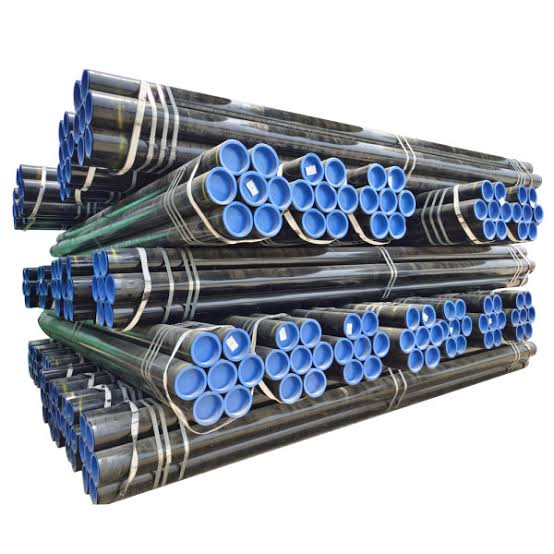
Unlike welded pipe, a seamless steel pipe is manufactured without a longitudinal weld seam. This construction can provide a uniform structure and make the pipe suitable for applications where pressure resistance and dependable performance are important. For engineers, contractors, and industrial buyers, understanding the characteristics, grades, applications, and selection factors associated with ASTM A106 seamless steel pipe can help ensure the right piping solution is chosen for a particular project.
ASTM A106 Seamless Steel Pipe and Its Main Characteristics
ASTM A106 seamless steel pipe is a carbon steel pipe specification designed for high-temperature service. The ASTM A106 standard covers seamless carbon steel pipe intended for applications where the piping system may be exposed to elevated temperatures and pressure.
The specification commonly includes three grades, known as Grade A, Grade B, and Grade C. Among these, ASTM A106 Grade B seamless pipe is particularly common in industrial applications because it offers a practical balance of strength, fabrication characteristics, and availability. Grade selection depends on the engineering requirements of the piping system, including operating temperature, pressure, mechanical loading, and applicable design codes.
The seamless manufacturing process is one of the defining characteristics of this pipe. Instead of forming a steel strip and welding its edges together, seamless pipe is produced from a solid steel billet that is heated and formed into a hollow cylindrical product. The manufacturing process can involve piercing, rolling, sizing, and heat treatment to achieve the required dimensions and material properties.
The resulting carbon steel seamless pipe provides a continuous structure around the circumference. This makes it particularly useful in systems where pressure containment is an important consideration. Properly manufactured and tested pipe can provide reliable performance when installed and operated according to applicable engineering requirements.
Dimensions are another important characteristic. ASTM A106 pipe is available in various outside diameters and wall thicknesses, allowing engineers to select suitable sizes for different flow requirements and pressure conditions. Wall thickness is particularly important because it influences pressure capacity, weight, fabrication requirements, and overall system design.
Industrial Applications and Performance
The ASTM A106 seamless steel pipe is commonly used in industries that require piping capable of operating under elevated temperatures. Oil and gas facilities, refineries, petrochemical plants, power plants, and process industries frequently use carbon steel piping for transporting fluids, steam, hydrocarbons, and other process media.
In refinery environments, piping systems may transport petroleum products and process fluids through equipment operating at high temperatures. A suitable ASTM A106 Grade B pipe can be incorporated into these systems when its specifications match the project's design requirements.
Power generation is another major application area. Steam systems can involve high temperatures and pressures, requiring piping materials capable of maintaining mechanical integrity under demanding operating conditions. Seamless carbon steel pipe can be used in various steam and process piping applications where the applicable engineering standards permit its use.
The petrochemical industry also relies heavily on industrial piping. Process plants contain extensive networks of pipes connecting pumps, vessels, heat exchangers, boilers, and other equipment. Selecting appropriate piping materials helps maintain system reliability and reduce the risk of premature failures.
The material's suitability for elevated-temperature service is an important reason for its popularity.
However, the actual operating limits of an ASTM A106 seamless steel pipe depend on factors such as grade, wall thickness, temperature, pressure, design code, corrosion conditions, and service fluid. Engineers should therefore evaluate the complete operating environment rather than selecting a pipe based only on its specification name.
Seamless pipe can also be useful where fabrication requires reliable welding and forming characteristics. Although seamless pipe itself does not contain a longitudinal weld seam, it may still need to be welded to fittings, flanges, valves, and other piping components during installation. Proper welding procedures and qualified fabrication practices are essential for maintaining system integrity.
ASTM A106 Grades, Testing, and Quality Requirements
Understanding the different ASTM A106 pipe grades is important when selecting a material for an industrial project. Grade A, Grade B, and Grade C have different mechanical property requirements, allowing engineers to select a suitable grade according to project specifications.
Grade B is widely used because it provides a commonly available combination of mechanical strength and fabrication suitability. Nevertheless, the correct grade should always be determined through engineering calculations and project specifications rather than general popularity.
Quality control is another important part of purchasing ASTM A106 seamless steel pipe. Manufacturers and suppliers may perform various inspections and tests to verify that the pipe meets the applicable specification. Chemical composition testing helps confirm that the material contains the required elements within specified limits, while mechanical testing evaluates properties such as tensile strength and yield strength.
Hydrostatic testing is also associated with pressure-containing pipe products and can be used to evaluate the pipe's ability to withstand internal pressure under specified test conditions. Other examinations may be applied depending on the purchase specification, project requirements, and applicable standards.
Dimensional inspection is equally important. Outside diameter, wall thickness, length, straightness, and surface condition should be checked against the required specifications. Accurate dimensions help ensure compatibility with fittings and other components during installation.
Heat treatment and manufacturing controls also contribute to product quality. Proper processing helps establish the desired mechanical properties and consistency of the finished pipe. For critical industrial applications, buyers should request appropriate material documentation and verify that products comply with the required standards.
Selection, Installation, and Long-Term Value
Choosing the correct ASTM A106 seamless steel pipe requires more than selecting a nominal pipe size. Engineers must consider operating pressure, temperature, fluid characteristics, corrosion potential, required wall thickness, piping code, connection method, and expected service life.
Pipe schedule is particularly important because it relates to wall thickness. Different schedules can provide different pressure-handling capabilities and weights. The appropriate schedule should be determined through engineering calculations based on the project's design conditions.
Corrosion should also be evaluated. Carbon steel provides excellent value for many industrial applications, but it is not inherently immune to corrosion. Moisture, chemicals, oxygen, salts, and process fluids can affect the service life of carbon steel piping. Depending on the environment, protective coatings, corrosion control programs, insulation practices, or alternative materials may be considered.
Storage and transportation also deserve attention. Seamless steel pipe should be handled and stored in a manner that helps prevent excessive mechanical damage, contamination, and unnecessary exposure to corrosive conditions. Proper end protection and suitable storage practices can help maintain the condition of the pipe before installation.
During installation, welding and joining procedures should follow approved engineering and fabrication practices. Weld quality, alignment, support spacing, thermal expansion, pressure testing, and inspection all contribute to the reliability of the completed piping system.
From a cost perspective, ASTM A106 carbon steel pipe can offer an attractive balance between material availability, performance, fabrication, and long-term service. Its established use across industrial applications also means that compatible fittings, valves, flanges, and fabrication expertise are widely available in many markets.
Conclusion
The ASTM A106 seamless steel pipe remains an important carbon steel piping solution for industrial systems involving high-temperature and pressure service. Its seamless construction, established material grades, broad size availability, and suitability for demanding process environments make it valuable in oil and gas facilities, refineries, petrochemical plants, power generation, and other industrial applications.
ASTM A106 Grade B is particularly common, but the appropriate grade, pipe size, wall thickness, and schedule should always be selected according to the project's engineering requirements. Chemical composition, mechanical properties, dimensional accuracy, testing, documentation, and corrosion conditions are also important factors when evaluating a supplier or product.