






Maintaining comfortable and confident movement is an important part of everyday life for people who need additional walking support. A walker with wheels can provide a practical balance between stability and easier movement, allowing users to move forward without repeatedly lifting the entire frame. Compared with traditional walkers, wheeled designs can feel more convenient for people who want mobility assistance while navigating the home, shopping areas, medical facilities, or outdoor spaces.
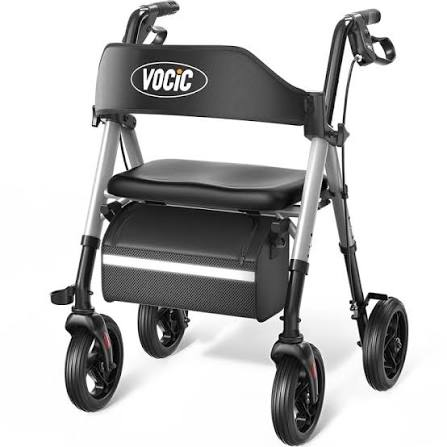
Modern walker with wheels designs are available in several configurations, including two-wheel walkers, three-wheel rollators, and four-wheel rollators. Many models include adjustable handles, hand brakes, seats, storage compartments, and folding mechanisms. These features can make a wheeled walker useful for different routines and environments.
Walker With Wheels for Everyday Movement
A walker with wheels is a mobility aid designed with wheels on some or all of its legs. The wheels allow the frame to roll forward, reducing the need to lift the walker after every step. This can make movement more fluid for users who find lifting a conventional walker inconvenient.
A two-wheel walker commonly has wheels on the front legs and non-wheeled supports at the rear. This design can provide a combination of controlled movement and stability. A four-wheel design, often known as a rollator, allows the entire frame to roll and generally includes hand brakes for controlling movement.
A rolling walker can be especially convenient for people who regularly move between different areas of their home or spend time outside. Instead of stopping frequently to reposition the frame, the user can guide the walker forward as they walk. The appropriate style depends on individual mobility requirements and the environments where the walker will be used.
Handle height is another important consideration. Many walkers with wheels have adjustable handles, allowing users to find a more comfortable position. Proper adjustment can help the walker feel more natural to operate and may support a more comfortable walking posture.
Comfortable Walker With Wheels Designs
Comfort and convenience play a major role when selecting a walker with wheels. Modern models can include features designed to make everyday use easier. A lightweight walker with wheels may be useful for people who need to transport or store their mobility aid regularly. Lightweight construction can make the walker easier to move when it is not being used, although the model should still provide appropriate stability and support.
A four wheel walker is a popular option because it allows the device to roll continuously while the user maintains control through the handles. Many four-wheel rollators also include a built-in seat, creating a combination of walking assistance and resting support. This type of walker with wheels and seat can be convenient during longer outings where users may need occasional breaks.
Storage is another useful feature found on many wheeled walkers. Baskets, pouches, and under-seat compartments can provide space for small personal items. This can make shopping trips, appointments, and outdoor activities more convenient by reducing the need to carry belongings separately.
Folding designs can also improve portability. A folding walker with wheels may be easier to store in a vehicle, closet, or other limited space. Before choosing a folding model, users should consider its folded dimensions, weight, folding mechanism, and overall ease of handling.
Wheel size can affect maneuverability as well. Smaller wheels can work well in many indoor environments with smooth flooring, while larger wheels may be more suitable for certain outdoor surfaces. Users should always follow the manufacturer's recommendations regarding appropriate surfaces and intended use.
Walker With Wheels Safety and Stability
Safe operation is an important consideration when using a walker with wheels. Before regular use, the walker should be adjusted correctly so that the handles are comfortable to reach. If the model has brakes, users should become familiar with operating them before relying on the walker during everyday activities.
A four-wheel rollator generally uses hand-operated brakes that can help control movement and secure the walker while resting. When using a walker with wheels and seat, the brakes should be engaged according to the manufacturer's instructions before sitting down. The built-in seat is generally intended for suitable rest periods rather than replacing a standard chair.
The condition of the wheels should also be monitored. Wheels should move smoothly and remain securely attached to the frame. Handles, brake cables, seats, and other components should also be checked periodically. If a walker becomes damaged or difficult to control, it should be inspected before continued use.
The surrounding environment can also influence safety. Users should take care around obstacles, uneven surfaces, wet areas, steep paths, and crowded spaces. A walker designed primarily for smooth indoor flooring may not be appropriate for every outdoor environment.
For older adults and people who require additional mobility support, a senior walker with wheels may offer a practical alternative to a traditional lifting walker. However, every person's mobility needs are different. Someone who has difficulty balancing, controlling a wheeled device, or determining the most suitable mobility aid may benefit from guidance from a qualified healthcare professional.
Walker With Wheels for Active Lifestyles
A walker with wheels can make everyday activities more manageable by combining support with easier forward movement. For some users, the ability to roll the walker rather than repeatedly lift it can make routine movement feel less demanding. This can be helpful around the home, during shopping trips, at appointments, or while spending time outdoors.
A rollator walker with wheels can offer additional features for users who want greater convenience. Four-wheel rollators commonly include hand brakes, seats, backrests, and storage compartments. These features can make the mobility aid useful for longer outings where the user may need both walking support and occasional rest.
For people who prioritize portability, a lightweight and folding model may be more practical. For users who spend considerable time outdoors, wheel size and frame construction may receive greater attention. For indoor users, a compact design with good turning ability may be more convenient.
The best walker with wheels is not necessarily the model with the greatest number of features. Instead, it should be a design that matches the user's mobility requirements, environment, comfort preferences, and ability to operate its controls. A properly selected walker can become a useful part of an everyday routine without unnecessarily complicating movement.
Conclusion: Is a Walker With Wheels a Practical Mobility Solution?
A walker with wheels can provide a useful combination of walking support, maneuverability, and convenience. By allowing the frame to roll forward, wheeled walkers can reduce the need to repeatedly lift and reposition a traditional walker. Different designs, including two-wheel walkers and four-wheel rollators, offer options for a variety of everyday situations.
Features such as adjustable handles, hand brakes, comfortable seats, storage compartments, larger wheels, and folding frames can further improve convenience. Whether someone is searching for a lightweight walker with wheels, four wheel walker, rolling walker, or walker with wheels and seat, the most important factors are stability, comfort, portability, maneuverability, and suitability for the intended environment.