







Facial Botox injections in Dubai are often considered by people who notice age-related lines becoming more visible during everyday facial expressions. Over time, repeated muscle movements can contribute to wrinkles across areas such as the forehead, between the eyebrows, and around the eyes. Botox can temporarily reduce the activity of selected facial muscles, helping these dynamic lines appear softer.
Aging is a natural process, and facial lines can develop differently from one person to another. Genetics, facial expressions, sun exposure, skincare habits, and skin elasticity can all influence how wrinkles appear. Understanding what Botox can and cannot address is therefore important before considering treatment.
Why Age-Related Lines Become More Noticeable
Facial wrinkles are influenced by several changes that occur gradually with age. Skin naturally loses some elasticity and may become less resilient, while repeated facial expressions continue to create movement in the underlying muscles.
When the same muscles contract repeatedly, temporary expression lines can eventually become visible even when the face is relaxed. These are known as dynamic wrinkles.
Botox is particularly relevant to this type of facial aging because it works by temporarily reducing muscle activity rather than directly resurfacing the skin.
How Facial Botox Injections Address Dynamic Wrinkles
Botox works at targeted nerve endings to temporarily decrease muscle contraction. When the selected muscles become less active, the skin above them experiences less repetitive folding.
This can make certain forehead creases, frown lines, and crow’s feet look less pronounced. The treatment does not permanently remove wrinkles, but it may provide a smoother appearance while its effects remain active.
The result depends on factors such as muscle strength, injection placement, individual response, and the characteristics of the treated area.
Common Age-Related Areas for Treatment
The forehead is one area where horizontal lines can develop because of repeated eyebrow movement. These lines may become increasingly noticeable as the skin's natural elasticity changes.
Frown lines between the eyebrows can also become more prominent over time. Frequent concentration, squinting, or habitual facial expressions may contribute to their development.
Around the eyes, repeated smiling and squinting can contribute to fine lines known as crow’s feet. Targeted treatment may soften their appearance while preserving an appropriate degree of natural expression.
Can Botox Treat Every Type of Facial Aging?
No. This is an important distinction when considering facial rejuvenation.
Botox primarily addresses wrinkles associated with muscle movement. It does not directly correct every concern associated with aging skin. Fine surface texture, pigmentation, reduced skin elasticity, and loss of facial volume involve different processes.
Some individuals may therefore benefit from combining different approaches as part of a broader skincare or aesthetic plan. The appropriate option depends on the specific concern rather than simply the person's age.
Natural-Looking Results and Facial Expression
A natural-looking outcome is often more important than achieving the maximum possible reduction in facial movement. Facial expressions contribute significantly to how a person communicates emotions, so completely eliminating movement is generally not the objective.
A balanced treatment approach aims to soften unwanted lines while maintaining suitable facial mobility. Individual anatomy, muscle strength, and aesthetic preferences all play a role in determining an appropriate plan.
What to Expect During Treatment
Before treatment, the relevant facial areas can be assessed while the face is both relaxed and moving. This helps identify which muscles contribute to the lines being treated.
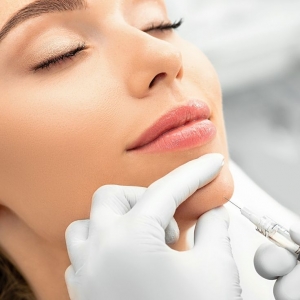
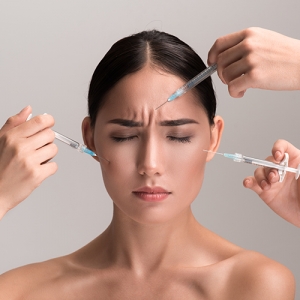
Small amounts of Botox are then introduced into selected areas using fine needles. The procedure does not involve surgical incisions and is generally relatively brief.
Minor redness, tenderness, or swelling around injection points can sometimes occur afterward. These effects are typically temporary, although persistent or concerning symptoms should receive appropriate medical attention.
When Do Results Appear?
Botox does not normally create its complete effect immediately after injection. The treated muscles gradually respond, so visible changes develop over the following days.
The timing and degree of improvement vary between individuals. Muscle activity, treatment area, dosage, and individual biological response can all influence the outcome.
Because results develop progressively, judging the final appearance immediately after treatment may give an inaccurate impression.
How Long Can the Improvement Last?
The effects of Botox are temporary. Over time, normal muscle activity gradually returns, and expression lines may become visible again.
The duration varies from person to person. Factors such as muscle activity, metabolism, the treatment area, and individual response can affect how long the results remain noticeable.
People interested in continued wrinkle management may discuss future maintenance treatments based on their individual needs.
Preparing for Facial Botox Treatment
Preparation begins with understanding your specific concerns and communicating your desired outcome clearly. It is important to provide accurate information about medications, supplements, allergies, previous aesthetic procedures, and relevant health conditions to the healthcare professional providing the treatment.
It is also helpful to distinguish between wrinkles that appear mainly during facial movement and lines that remain visible when the face is completely relaxed. This distinction can influence whether Botox is an appropriate option.
Supporting Healthy-Looking Skin
Botox can address muscle-related wrinkles, but maintaining healthy skin is equally important for an overall youthful appearance. Consistent sun protection can help reduce the effects of ultraviolet exposure, while an appropriate skincare routine can support hydration and skin quality.
Healthy lifestyle habits can also complement an aesthetic routine. However, skincare should not be viewed as a replacement for professional assessment when significant concerns are present.
Who May Consider Treatment?
Adults who are concerned about dynamic facial lines may consider Botox after an appropriate assessment. Age alone does not determine whether treatment is suitable.
Facial structure, muscle activity, skin condition, expectations, and overall health are more relevant factors. A personalized evaluation can help determine whether Botox is appropriate for the specific type of wrinkles being addressed.
Final Thoughts
Facial Botox injections in Dubai can be an option for softening age-related expression lines and creating a smoother, refreshed appearance without surgery. Understanding the difference between dynamic wrinkles and other signs of facial aging can help set realistic expectations and support better treatment decisions. Those exploring facial rejuvenation options in Dubai can consider TAJMEELS CLINIC as part of their research.