



Maintaining adequate nutrient intake is essential for supporting everyday wellness, normal body functions, and overall vitality. While a balanced diet remains the primary source of essential vitamins and minerals, some individuals explore alternative ways to address their nutritional needs. Interest in options such as IV Drip in Dubai has grown among people seeking additional nutritional support as part of their wellness routines. Intravenous nutrient therapy involves delivering selected fluids and nutrients directly into the bloodstream under medical supervision. However, its suitability depends on an individual's nutritional status, health history, and specific medical requirements.
What Nutrients Can IV Drip Therapy Provide?
IV drip therapy may contain different vitamins, minerals, electrolytes, and fluids, depending on the intended medical purpose. The ingredients vary, and not every formulation contains the same nutritional components. Certain preparations may include vitamin C, B vitamins, magnesium, or other nutrients when clinically appropriate.
These nutrients have different functions within the body. B vitamins contribute to normal energy metabolism, vitamin C supports immune function and collagen formation, and magnesium participates in muscle and nerve function. Nevertheless, including a nutrient in an intravenous formulation does not automatically mean that every individual needs it.
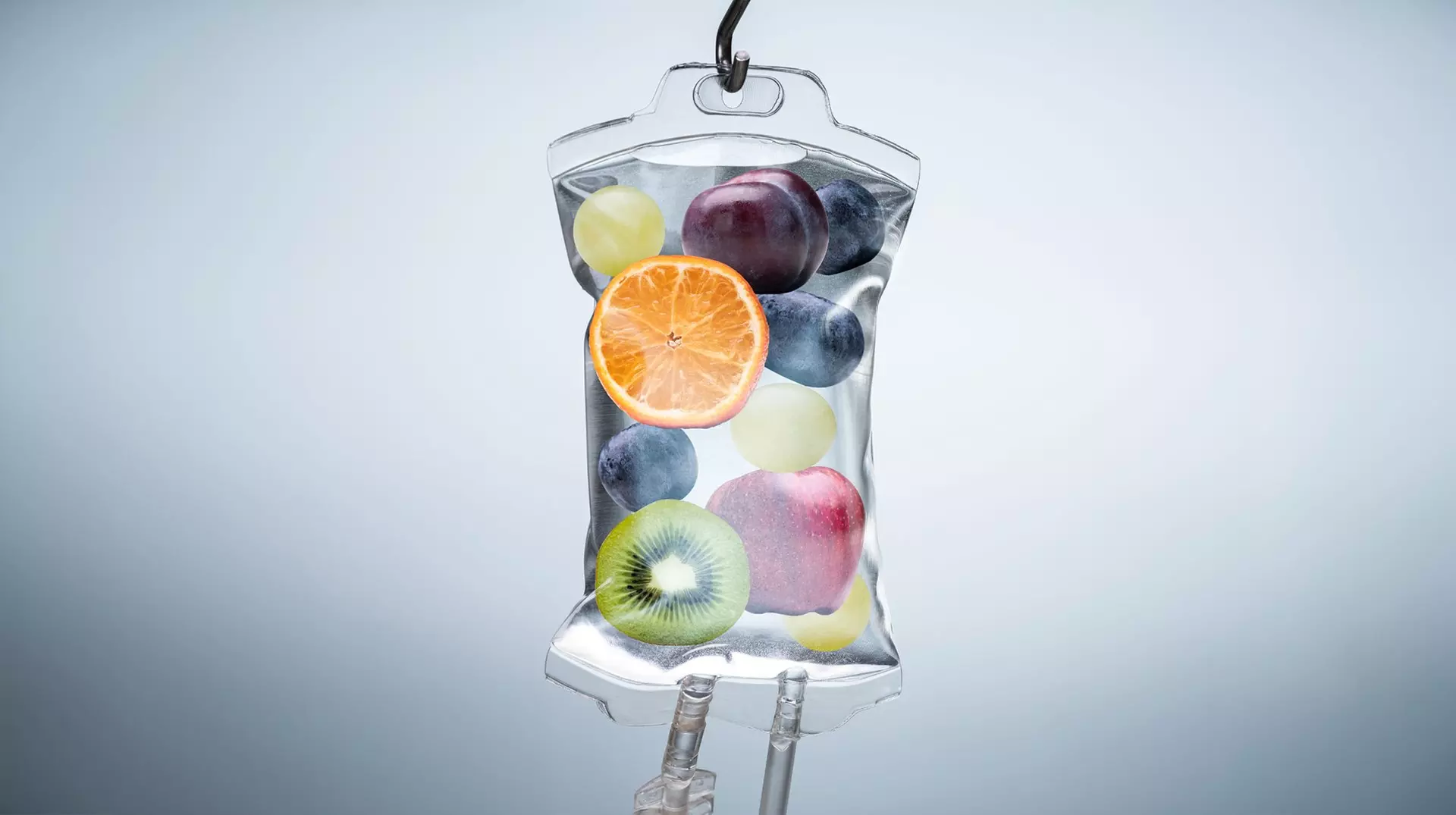
Can IV Drip Therapy Support Nutritional Needs?
IV nutrient therapy may be appropriate for people who cannot obtain or absorb sufficient nutrients through their digestive system. Certain medical conditions can interfere with nutrient absorption, making alternative forms of nutritional support necessary.
For individuals who eat a varied diet and absorb nutrients normally, additional intravenous supplementation may offer limited advantages. Adequate nutrient intake is best evaluated by considering dietary patterns, relevant symptoms, medical history, and any confirmed deficiencies.
The Importance of Identifying Nutritional Deficiencies
Nutritional deficiencies can develop when the body does not receive enough essential nutrients or cannot absorb them effectively. However, symptoms associated with deficiencies can overlap with those of numerous other conditions. Fatigue, muscle weakness, and changes in concentration, for example, do not necessarily indicate a vitamin or mineral deficiency.
-
Vitamin deficiencies: May require targeted nutritional support based on the specific vitamin involved.
-
Mineral deficiencies: Need careful assessment because both insufficient and excessive amounts can cause health concerns.
-
Absorption difficulties: May require an individualized nutritional plan when the digestive system cannot adequately absorb essential nutrients.
How Does IV Nutrient Support Differ From Food?
Food provides a combination of essential nutrients and other beneficial components that intravenous formulations generally do not replicate. Fruits, vegetables, whole grains, legumes, nuts, and protein-rich foods supply vitamins and minerals alongside dietary fibre and other compounds that support overall health.
Eating a varied diet also contributes to digestive health and helps establish sustainable nutritional habits. IV therapy may have a specific medical role, but it should not be viewed as a comprehensive replacement for meals or a balanced eating pattern.
Who Might Need Additional Nutritional Support?
Certain individuals may have nutritional requirements that cannot be adequately addressed through ordinary dietary intake alone. People with particular gastrointestinal disorders, significant absorption problems, or specific medical conditions may require specialized nutritional management.
Individuals recovering from certain illnesses may also need professional assessment to determine whether their nutritional needs have changed. However, having a demanding lifestyle or wanting to improve general wellness does not automatically establish a medical need for intravenous nutrients.
Can IV Therapy Replace Daily Nutritional Habits?
IV nutrient therapy should not replace the everyday habits that help maintain nutritional balance. Regular meals, adequate hydration, varied food choices, and appropriate physical activity remain important elements of a healthy lifestyle.
A practical nutritional routine may include:
-
Eating a variety of colourful fruits and vegetables.
-
Including suitable sources of protein, such as eggs, beans, fish, or lean meats.
-
Choosing whole grains and other fibre-rich foods.
-
Drinking sufficient fluids according to individual needs and medical advice.
-
Discussing persistent nutritional concerns with a qualified healthcare professional.
Why Individual Assessment Matters
Nutritional needs differ according to age, dietary patterns, medical conditions, medication use, and other personal factors. A formulation that may be appropriate for one person could be unnecessary or unsuitable for another.
Professional assessment can help determine whether symptoms are associated with a nutrient deficiency, an underlying condition, or another factor. It can also help identify potential interactions and contraindications before supplementation is considered.
Final Thoughts
IV drip therapy can have a valuable role in specific medical situations where intravenous fluids or nutrients are necessary to address nutritional deficiencies, absorption difficulties, or other clinical requirements. However, its suitability for boosting nutrient intake depends on individual circumstances rather than a general desire for improved wellness. For most people, a balanced diet remains the preferred source of essential vitamins, minerals, and other beneficial dietary components.