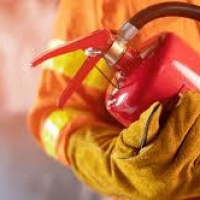
A packaging warehouse, a vehicle workshop, and a food-processing unit may all face fire risks, yet the equipment needed in each location can differ considerably. The reason is not simply the size of the building. Materials, machinery, storage practices, ventilation, and daily operations influence how a fire might start and how quickly it could spread. Selecting protection without considering these differences can leave important hazards uncovered.
Begin With the Work Process, Not the Equipment Catalogue
One of the most useful ways to assess fire risk is to follow the activities taking place across a site. Examine where materials arrive, where they are stored, how machinery operates, and where waste accumulates. This process often reveals hazards that are overlooked during a general building inspection.
For example, a maintenance area may contain lubricants, welding equipment, spare electrical components, and combustible packaging. Each item introduces a different consideration. Hot work can ignite nearby materials, while a damaged electrical connection may start a fire inside equipment before anyone sees a flame.
Record these activities on a site plan and identify the materials involved. This creates a practical foundation for deciding which protection measures are necessary. OSHA guidance similarly recommends selecting and distributing portable extinguishers according to the anticipated fire hazards and the level of risk in each workplace. <Cite refs={["turn868840search3"]}/>
How Does Fire Fighting Equipment Need to Match the Hazard?
The purpose of
Fire Fighting Equipment is to control a particular danger, not to provide a universal answer to every fire scenario. A suitable selection depends on the fuel involved, the likely fire size, the surrounding conditions, and whether people can respond safely.
Water-based equipment may be suitable for ordinary combustible materials such as paper and wood. Carbon dioxide is commonly used for certain flammable-liquid and electrical-equipment fires, while dry chemical agents can cover specific combinations of hazards when their ratings permit. Commercial cooking oils and combustible metals require particular attention because they may need dedicated extinguishing agents.
The equipment label is the starting point, but the site assessment determines whether that product is appropriate for the actual conditions. A qualified fire protection professional can establish the required equipment types, ratings, quantities, and locations in line with applicable standards and local regulations.
What Changes When Several Fire Risks Exist in One Area?
A workplace rarely contains only one isolated hazard. Consider a production line with electrical motors, plastic components, cardboard cartons, and cleaning liquids. A fire might begin in a motor but spread to nearby packaging, creating a different situation from the original equipment fault.
This is known as an overlapping-hazard problem. Choosing an extinguisher for only the first material likely to ignite may leave the surrounding fuels unaddressed. The assessment should consider how the incident could develop and whether one rated extinguisher or a combination of protection measures is needed.
Automatic detection, sprinkler systems, fixed suppression equipment, and portable extinguishers may serve complementary roles. Their suitability depends on the building and its operations. A portable extinguisher should never be treated as a substitute for an engineered system where the hazard requires more extensive protection.
Why Do Equipment Ratings Matter More Than Cylinder Appearance?
Two extinguishers can have similar shapes and colours but contain different agents with different approved applications. Their size alone does not establish how effectively they will control a particular fire. The label provides the essential information about intended use, rating, operating instructions, and limitations.
Buyers should check the manufacturer's details and relevant conformity or approval documentation. Where ratings use letters or symbols, confirm what those markings mean under the standard applicable to the product and location. Fire classifications can vary between regions, so international labels should not be interpreted without checking the relevant system.
This is especially important when purchasing for a facility with specialist processes. If the product documentation does not clearly establish suitability for the identified hazard, request clarification from the manufacturer or a qualified fire safety professional before installation.
How Should Site Layout Influence Equipment Placement?
Having the correct equipment on site is only part of the requirement. People must be able to locate and reach it without moving towards a developing fire or passing through dangerous smoke. A unit hidden behind stored goods may be technically present but practically unavailable during an emergency.
Assess the movement of staff, forklifts, delivery vehicles, and visitors. Equipment should remain accessible as storage arrangements change, and signs should be visible from the areas where people are likely to approach. Locations near particular hazards should be determined according to the applicable placement rules, while avoiding positions that force users too close to the fire.
Large sites may need a mapped equipment schedule showing each unit, its intended hazard, and the routes people can use to reach it. Review this plan after renovations, changes in machinery, or the introduction of new materials.
When Is a DCP Fire Extinguisher a Suitable Choice?
A
DCP fire extinguisher contains dry chemical powder that can interrupt the combustion process and help suppress certain fires. Depending on its formulation and approved rating, it may be suitable for flammable-liquid fires, electrical-equipment fires, and, in multipurpose models, ordinary combustible materials. The exact rating on the individual unit must guide the selection.
DCP units can be useful in workshops, industrial facilities, and other locations where their approved applications match the identified risks. However, the powder can contaminate machinery, electronic components, and nearby surfaces. It may also provide limited lasting cooling for some deep-seated fires, so reignition remains a concern in certain materials.
Before specifying one, check whether the formulation covers the anticipated fire classes and whether powder discharge could create additional problems for the equipment or process. Combustible-metal fires require appropriate specialist dry powder agents, not an ordinary dry chemical extinguisher unless it is specifically designed and approved for that hazard.
What Should Be Considered Beyond the Initial Purchase?
The cost of firefighting equipment extends beyond the invoice. Installation requirements, replacement parts, inspections, servicing, training, and the consequences of equipment downtime can all affect the long-term value of a selection.
A product with clear technical documentation and accessible servicing support may be easier to manage throughout its working life. For a facility operating several shifts, the availability of trained personnel is also important. Staff should know how to raise the alarm, identify the nearest safe exit, and understand whether they are expected and trained to use portable extinguishers.
Create a maintenance record that identifies equipment locations, inspection dates, defects, and service actions. Keep units in their designated positions and ensure they remain charged and operational according to the applicable requirements. Any discharged, damaged, or defective unit should be addressed promptly so that the intended level of protection is restored.
How Can a Business Check Whether Its Protection Still Fits?
Fire risks change as a business changes. A warehouse may begin storing different products, a workshop may add new machinery, or a production area may introduce a solvent-based process. Equipment that suited the original operation may no longer cover the revised hazards.
A review should be triggered by meaningful changes in materials, processes, building layout, or occupancy. Revisit the risk assessment, check the current equipment schedule, and confirm that the selected agents and ratings remain appropriate. Where changes affect fixed suppression systems or water supplies, obtain a technical assessment rather than relying on portable equipment alone.
For facilities in Pakistan, the review should also account for applicable provincial and local building requirements, fire authority expectations, and relevant technical standards. Documenting the reasons for each selection makes future reviews more consistent and helps purchasing teams avoid replacing equipment with an unsuitable alternative.
Frequently Asked Questions
1. How do you choose firefighting equipment for a workplace?
Start by identifying the materials, machinery, and activities that could cause a fire. Then select equipment whose approved ratings match those hazards, considering the site's layout, occupancy, and applicable fire safety requirements.
2. Is one fire extinguisher suitable for every type of fire?
No. Different extinguishing agents are designed for different hazards. Water, carbon dioxide, dry chemical powder, wet chemical, and specialist metal-fire agents have different applications and limitations. Always check the product's rating before use.
3. What is a DCP fire extinguisher used for?
A DCP fire extinguisher uses dry chemical powder to suppress fires covered by its specific rating. Depending on the formulation, it may be suitable for flammable liquids, certain electrical hazards, and ordinary combustibles. Check the label because not every dry powder unit covers the same fire classes.
4. Where should fire extinguishers be installed?
They should be visible, accessible, clearly identified, and positioned according to the site's risk assessment and applicable standards. Avoid locations where reaching the extinguisher could require approaching a fire or passing through smoke.
5. How often should firefighting equipment be inspected?
Inspection and servicing schedules depend on the equipment type, manufacturer instructions, and applicable regulations. Keep inspection records, address defects promptly, and arrange servicing through competent personnel.
6. When should a business review its fire protection equipment?
Review the equipment whenever the site changes its operations, stores new materials, installs machinery, alters its layout, or changes occupancy. These changes can introduce hazards that the original selection may not adequately address.
Conclusion
Choosing firefighting equipment is a process of matching protection to the way a site actually operates. Material hazards, overlapping risks, product ratings, accessibility, maintenance, and operational changes all influence the final decision. A documented risk assessment and verified product specifications provide a stronger basis for selection than appearance or price alone. Where the hazards are complex, professional fire protection advice helps ensure that portable extinguishers and installed systems work together as part of a coordinated safety plan.