






Crowded teeth can create significant dental challenges, from misaligned bites to difficulty maintaining oral hygiene. Tooth Extraction in Dubai treatment is sometimes recommended to relieve overcrowding and create space for proper alignment, but whether it’s necessary depends on individual cases. Understanding the reasons, procedure, and alternatives helps patients make informed decisions about their oral health.
Understanding Dental Crowding:
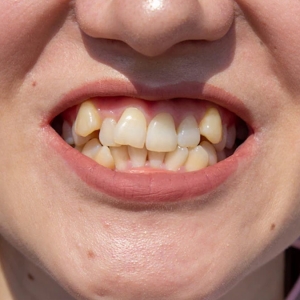
Dental crowding occurs when there is insufficient space in the jaw for all teeth to fit properly. This condition can lead to overlapping, twisting, or rotation of teeth. Crowded teeth not only affect the appearance of a smile but also make brushing and flossing more difficult, increasing the risk of cavities and gum disease.
Orthodontic evaluations often determine whether tooth extraction treatment is needed to create space for proper alignment before braces or other corrective procedures.
When Tooth Extraction Becomes an Option?
Tooth extraction treatment for crowded teeth is typically considered when other methods of creating space are insufficient. Removing one or more teeth can help straighten the remaining teeth, improve bite function, and reduce the likelihood of future dental problems.
This approach is often recommended for patients undergoing orthodontic treatment, particularly in cases where permanent teeth have erupted but the jaw cannot accommodate them naturally.
Signs That Extraction May Be Needed:
Crowding that causes difficulty cleaning teeth, recurring dental issues, or discomfort while biting may indicate that tooth extraction treatment is necessary. Other signs include visible misalignment, overlapping teeth, or delayed eruption of permanent teeth. A thorough dental evaluation, often including X-rays, helps determine the best course of action for managing overcrowding.
The Extraction Procedure for Crowded Teeth:
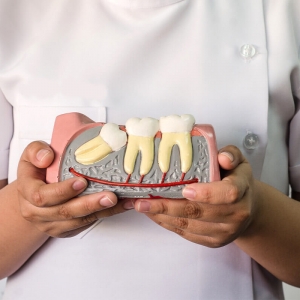
Tooth extraction treatment for crowded teeth can involve simple or surgical techniques, depending on the position and condition of the tooth. Local anesthesia is applied to minimize pain, and the dentist removes the tooth carefully to protect surrounding structures.
In more complex cases, surgical extraction may involve small incisions or sectioning of the tooth. Following extraction, a blood clot forms in the socket to support healing, and stitches may be used in surgical cases to close the area.
Post-Extraction Care and Recovery:
Proper aftercare is essential for smooth healing. Patients should rest, apply cold compresses to reduce swelling, and avoid hard or crunchy foods that may irritate the extraction site. Gentle oral hygiene practices help prevent infection while protecting the blood clot. Pain management with over-the-counter or prescribed medications may be necessary for the first few days.
Recovery time varies depending on the number of teeth extracted and the complexity of the procedure, but most discomfort diminishes within a few days.
Alternatives to Tooth Extraction:
In some cases, orthodontists may use alternatives to extraction, such as palatal expanders, interproximal reduction (slimming teeth), or selective reshaping of teeth to create space. These methods can help address crowding without removing teeth, though they may not be suitable for all patients.
Consulting with a dentist or orthodontist helps determine whether extraction or alternative treatments provide the best long-term outcome.
Long-Term Benefits of Extraction for Crowded Teeth:
When tooth extraction treatment is necessary, it can improve oral hygiene, reduce the risk of cavities and gum disease, and create space for effective orthodontic treatment. Straightening teeth and correcting bite alignment also enhances comfort, functionality, and aesthetic appearance, contributing to overall dental health.
Monitoring and Maintaining Oral Health After Extraction:
After the extraction site heals, maintaining good oral hygiene is critical. Regular brushing, flossing, and dental check-ups help prevent cavities, gum problems, and other issues in the remaining teeth. If orthodontic treatment follows, proper care ensures the teeth move safely into their new positions.
Final Thoughts on Tooth Extraction for Crowding:
Tooth Extraction Treatment for crowded teeth can be a necessary step in achieving proper alignment, improving oral hygiene, and preventing long-term dental problems. While not every case requires extraction, understanding the signs, procedure, and recovery process helps patients make informed decisions.
By consulting a dental professional, following post-extraction care instructions, and exploring alternative treatments when possible, patients can achieve healthier, straighter teeth and maintain long-term oral health.