


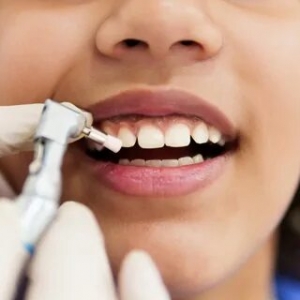


Wisdom tooth extraction is a routine dental procedure, yet proper post-surgery care is crucial to ensure smooth healing, prevent complications, and minimize discomfort. Understanding how to care for your mouth after surgery, manage pain, and monitor recovery can make a significant difference in the overall experience. This guide covers everything patients need to know about post-operative care, combining expert advice, practical tips, and evidence-based recommendations for optimal healing.
Why Post-Surgery Care Matters?
After a Wisdom Tooth Extraction In Dubai, the body begins repairing soft tissue and bone. The formation of a blood clot in the socket is the first and most critical step in healing. Proper care preserves this clot, reduces the risk of infection, and prevents complications such as dry socket. Post-surgery care is not just about comfort; it directly impacts the speed and quality of recovery.
Immediate Care After Extraction:
The first 24 hours are the most critical for managing bleeding and swelling. Key steps include:
- Bite gently on gauze provided by the dentist to control bleeding. Change gauze as needed, but avoid excessive pressure.
- Keep your head elevated while resting or sleeping to reduce swelling and throbbing pain.
- Apply ice packs to the cheeks in 15–20 minute intervals to minimize inflammation.
- Avoid spitting, using straws, or touching the extraction site to protect the blood clot and reduce the risk of dry socket.
Pain and swelling are expected during this period, but these measures help manage discomfort effectively.
Managing Pain and Swelling:
Pain peaks within the first 24–48 hours but can be managed using several strategies:
- Medication: Over-the-counter pain relievers such as ibuprofen or acetaminophen are effective. Stronger prescription medications may be used for surgical extractions or complex cases.
- Cold Therapy: Ice packs reduce inflammation and numb the area during the initial 48 hours.
- Warm Compresses: After swelling peaks, warm compresses can improve circulation and reduce stiffness in the jaw.
Consistent pain management improves comfort and allows patients to focus on healing.
Oral Hygiene and Infection Prevention:
Maintaining oral hygiene is essential to prevent infection while avoiding disruption of the extraction site:
- Begin gentle saltwater rinses 24 hours after surgery to reduce bacterial buildup. Mix half a teaspoon of salt in a glass of warm water.
- Brush teeth carefully, avoiding the extraction site. Use a soft-bristled toothbrush to clean surrounding areas.
- Avoid alcohol-based mouthwashes during the initial recovery period, as they can irritate tissues and delay healing.
Good oral hygiene helps reduce swelling, prevents infection, and promotes faster recovery.
Diet and Nutrition:
Diet plays a critical role in post-surgery recovery:
- Soft Foods: Yogurt, smoothies, mashed potatoes, soups, and scrambled eggs are ideal during the first few days.
- Hydration: Drink plenty of water to support tissue repair and overall healing. Avoid carbonated drinks, alcohol, and hot or spicy foods that can irritate the extraction site.
- Gradual Reintroduction: As pain and swelling decrease, gradually reintroduce firmer foods while monitoring comfort levels.
Eating nutrient-rich, soft foods helps the body repair tissues efficiently and reduces discomfort during the healing process.
Lifestyle Adjustments to Support Healing:
Certain lifestyle habits can accelerate recovery and prevent complications:
- Avoid Smoking: Nicotine delays healing and increases the risk of dry socket.
- Limit Physical Activity: Strenuous exercise can increase blood flow and cause swelling or bleeding. Light activity such as walking is acceptable.
- Rest Adequately: Sleep and relaxation support the immune system and tissue regeneration.
Implementing these adjustments ensures a smoother recovery and lowers the risk of setbacks.
Recognizing Complications:
Although most patients recover without issues, awareness of warning signs allows for timely intervention:
- Severe or worsening pain not relieved by medications
- Excessive or prolonged bleeding beyond the first 24 hours
- Swelling that worsens after three days
- Signs of infection, including pus, foul odor, or fever
- Persistent numbness or tingling in the lips, tongue, or chin
Contacting a dentist promptly in these situations prevents minor problems from becoming serious complications.
Tips for a Smooth Recovery:
- Prepare a recovery kit at home, including soft foods, gauze, ice packs, and prescribed medications.
- Follow all post-operative instructions from your dentist or oral surgeon carefully.
- Rest and elevate your head to reduce swelling and discomfort.
- Avoid habits that could disturb the blood clot, such as spitting, drinking through straws, or smoking.
- Attend follow-up appointments to monitor healing and address any concerns.
Consistency in following these best practices supports faster, safer, and more comfortable recovery.
Long-Term Oral Health After Extraction:
Wisdom Tooth Extraction not only addresses immediate dental issues but also supports long-term oral health. Removing impacted or problematic teeth prevents:
- Tooth decay in difficult-to-clean areas
- Gum disease around partially erupted teeth
- Crowding and misalignment of adjacent teeth
- Jaw pain or chronic infections
Maintaining oral hygiene and scheduling routine dental checkups after recovery ensures sustained oral health benefits.
Conclusion:
Post-surgery care after wisdom tooth extraction is critical for minimizing pain, preventing complications, and promoting a smooth recovery. Immediate care, proper pain management, maintaining oral hygiene, following a soft diet, and implementing lifestyle adjustments all contribute to effective healing.
By understanding and following these post-operative best practices, patients can recover comfortably, reduce the risk of complications, and enjoy long-term oral health benefits. Preparation, awareness, and adherence to professional guidance are key to a successful wisdom tooth extraction recovery.