







The humidity in Singapore doesn't take vacations. It permeates every corner of your home, but nowhere feels its presence more acutely than the bathroom. Steam from hot showers, wet towels draped over rails, and limited air circulation create a microclimate where moisture reigns supreme. For many homeowners, mosaic tiles represent the perfect solution to add character and elegance to these compact spaces—yet few anticipate the maintenance journey that follows.
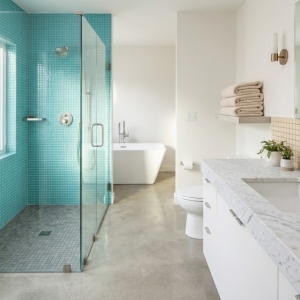
There's undeniable beauty in mosaic tiles. Their intricate patterns catch the light, their textures add depth to otherwise flat surfaces, and they transform ordinary bathrooms into spa-like retreats. But this beauty arrives with responsibilities. The same detailed construction that makes mosaic tiles visually striking also creates hundreds of potential entry points for moisture. In Singapore's unrelenting tropical atmosphere, this isn't a minor consideration—it's the central challenge of bathroom maintenance.
The path forward isn't avoidance but education. Understanding how these materials behave in high-humidity environments allows you to implement protective strategies from day one. Prevention, properly executed, eliminates the need for the exhausting cycle of scrubbing and bleaching that consumes so many weekends.
Why Grout Becomes the Battleground
Look closely at any tiled surface and you'll notice the pattern: the tiles themselves remain pristine while the lines between them darken and deteriorate. This isn't coincidence—it's material science. Porcelain and glass mosaic tiles possess non-porous surfaces that water cannot penetrate. They could theoretically last decades without staining.
Grout tells a different story. Formulated from cement, it behaves like compressed sand—full of microscopic voids eager to absorb any moisture that contacts them. A standard large-format tile installation might expose you to a few feet of grout per square meter. Mosaic tiles multiply this exposure exponentially, presenting hundreds of linear feet of vulnerable material in the same space.
Once this grout network becomes saturated, the countdown begins. Mold spores, ever-present in Singapore's air, discover ideal conditions: moisture, warmth, and organic material to feed upon. Within days, discoloration appears. Within weeks, musty odors develop. The process accelerates because local humidity never permits complete drying—yesterday's shower moisture joins today's, compounding the problem.
Making Smart Material Choices
The marketplace offers mosaic tiles across a spectrum of moisture resistance. At the favorable end, glass varieties provide complete protection. Their molecular structure denies water any opportunity for absorption, creating surfaces where bacteria cannot establish colonies. The grout between glass tiles still requires attention, but the tiles themselves remain perpetually clean.
Natural stone mosaic tiles—marble, travertine, limestone—occupy the riskiest position. Their very nature as quarried stone means inherent porosity, channels and voids formed over geological timescales. These materials demand immediate sealing upon installation and vigilant resealing thereafter. Skip this protocol, and the stone itself becomes part of the mold problem, hosting growth within its structure rather than merely on its surface.
Ceramic options present a middle path. Fired at high temperatures, ceramic mosaic tiles achieve density that approaches glass while maintaining affordability. When evaluating ceramic products, examine technical specifications for water absorption rates. Premium ceramics absorb less than 0.5% of their weight in water—seek these specifications for bathroom applications.
The Grout Decision That Changes Everything
Walk through any bathroom renovation in progress, and you'll witness the common error: intense debate over tile color, complete indifference to grout type. This imbalance proves costly in Singapore's climate.
Epoxy grout represents the technological advancement that tropical bathrooms have been waiting for. Unlike traditional cement-based products, epoxy formulations cure into a plastic-like solid that moisture cannot penetrate. Mold spores landing on epoxy find no purchase, no foothold for colonization. The upfront investment—both financial and in installation complexity—returns dividends through years of reduced maintenance.
For those inheriting cement grout through previous renovations, sealing becomes non-negotiable. Penetrating sealers work by soaking into grout pores and solidifying, creating internal barriers against moisture. But these barriers aren't permanent. In Singapore's aggressive humidity, annual resealing provides minimal acceptable protection. Test your sealer's integrity by dripping water onto grout lines—immediate darkening indicates failed protection requiring immediate attention.
Engineering Proper Airflow
Material selection establishes the foundation, but ventilation determines daily outcomes. Even the most perfectly sealed mosaic tiles will eventually succumb if trapped in stagnant, moisture-laden air. This reality hits hardest in Singapore's older housing stock, where HDB bathrooms often lack windows entirely.
The exhaust fan becomes your mechanical lifeline, yet most users misunderstand its operation. The common pattern—fan on during shower, fan off when exiting—terminates protection precisely when it's most needed. Steam continues rising from wet surfaces for twenty minutes after water stops flowing. Only extended operation ensures this moisture evacuates before condensing on walls.
Where windows exist, even partial opening transforms outcomes. Cross-ventilation, the movement of air from one opening to another, accelerates drying exponentially. For those in newer condominiums with fully enclosed bathrooms, verify your fan's actual performance. Many installations suffer from dust-clogged motors or improper ducting that moves air around the room rather than exchanging it with the outside.
Daily Rituals That Protect
Technology provides tools, but habits determine results. Consider the squeegee—an inexpensive blade of rubber or silicone that, used consistently, outperforms expensive cleaning products. Position one within arm's reach of your shower. Develop the thirty-second routine of drawing it down mosaic tiles surfaces after each use.
This simple act eliminates the standing water that mold requires for germination. What begins as deliberate effort quickly becomes automatic muscle memory. The alternative—allowing water to evaporate naturally over hours—provides mold with exactly the window of opportunity it needs.
Extend this vigilance to bathroom textiles. Shower curtains, when left bunched against walls, trap moisture in folds that never dry properly. Wash them monthly, and spread them fully to dry between uses. Bath mats present similar challenges on their undersides, where rubber backing prevents evaporation. Hang them to dry after each use rather than leaving them flat on the floor.
Cleaning Without Consequences
When mold appears despite preventive efforts, your response method matters enormously. The instinctive reach for chlorine bleach delivers immediate visual satisfaction—mold disappears before your eyes. But this satisfaction masks long-term damage.
Bleach attacks cement grout chemically, breaking down its binding properties. With repeated applications, grout becomes brittle, crumbles, and falls away. This creates the nightmare scenario: water flowing directly behind mosaic tiles, damaging walls and fostering hidden mold colonies that no surface cleaning can reach.
For routine maintenance, oxygen bleach or diluted vinegar provide effective alternatives without collateral damage. Address stubborn growth with commercial mold removers, but always follow with thorough rinsing. Never experiment by mixing different cleaning chemicals—dangerous reactions can produce toxic gases.
Mechanical cleaning tools deserve equal attention. Soft cloths glide over grout lines, cleaning only the tile surfaces. Stiff-bristled brushes, worked into the joints, agitate the actual material where mold establishes itself. This physical disruption proves essential for removing embedded spores that chemical treatments alone cannot eliminate.
The Showroom Visit That Saves Money
Online shopping convenience tempts many to select mosaic tiles through digital catalogs alone. This approach risks expensive disappointment. The white grout that appears crisp under showroom spotlights may read as gray under your bathroom's LED fixtures. Textures that seem subtle in photographs may prove aggressively uneven in reality, trapping soap scum in ways that demand constant attention.
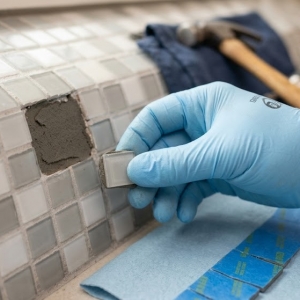
Visiting a ceramic tile shop in person corrects these perceptual errors. You can handle sample sheets, examining how they're constructed. Paper-backed mosaic tiles present notorious installation challenges—the paper bonds tenaciously and must be soaked and scraped away. Mesh-mounted alternatives allow installers to achieve better grout coverage, ensuring complete protection of every joint.
At the ceramic tile shop, engage staff with specific technical questions. What grout type do they recommend for this particular product? Does this stone require pre-sealing before installation? Which of their mosaic tiles lines have demonstrated best performance in Singapore's wet-room applications? The quality of answers reveals whether you're dealing with salespeople or specialists. Accept nothing less than genuine expertise when investing in materials that must survive decades of tropical humidity.
Long-Term Vigilance
Even perfect installations require ongoing attention. Schedule quarterly inspections of bathroom corners, where airflow naturally stalls and moisture accumulates. Examine the caulking where your shower tray meets the wall—this flexible sealant accommodates building movement that would crack rigid grout.
When caulk darkens with mold, recognize that surface cleaning cannot restore it. The contamination penetrates the silicone structure. The only remedy is complete removal and replacement, cutting away the old material and applying fresh caulk. This maintenance, performed promptly, prevents water infiltration that would damage underlying structures.
Final Reflections
Mosaic tiles remain viable, even excellent choices for Singapore bathrooms. Their aesthetic rewards justify the additional attention they demand, provided that attention is informed and consistent.
Success requires respecting three non-negotiables: selecting materials that deny moisture entry, ensuring ventilation that genuinely moves humid air out, and establishing daily habits that remove water before mold can utilize it. These commitments exceed what large-format tiles require, but they transform potential maintenance burdens into manageable routines.
Approach your mosaic tiles with the respect their complexity deserves, and your bathroom will reward you with enduring beauty that outlasts Singapore's most humid seasons.