



Introduction
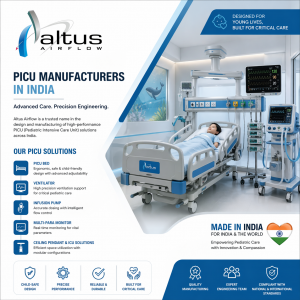
A Pediatric Intensive Care Unit (PICU) is a highly specialized hospital environment designed to provide critical care for infants, children, and adolescents. These units require precise construction standards to ensure safety, hygiene, durability, and infection control. In modern healthcare infrastructure, PICU Manufacturers focus on using advanced construction materials that support sterile conditions, efficient workflows, and long-term reliability while meeting strict medical regulations.
Materials Used in PICU Room Construction
PICU construction involves a combination of specialized materials selected for their strength, hygiene properties, and ability to withstand continuous medical use. Every material is chosen to support infection control, patient safety, and operational efficiency.
One of the most commonly used materials is modular wall paneling. These panels are typically made from galvanized steel, aluminum, or high-pressure laminate (HPL) surfaces with antimicrobial coatings. They provide smooth, seamless surfaces that are easy to clean and resistant to bacterial growth.
Flooring materials in PICU rooms are also highly specialized. Seamless vinyl flooring and anti-static flooring systems are widely used to prevent dust accumulation and reduce infection risks. These floors are designed to withstand heavy foot traffic, frequent cleaning, and movement of medical equipment.
Ceiling systems are constructed using modular ceiling panels that often include integrated lighting, air supply systems, and HEPA filtration components. These ceilings are designed to maintain clean airflow and support infection control measures.
Medical gas pipeline systems use high-grade copper or stainless steel piping to ensure safe and efficient delivery of oxygen, vacuum, and compressed air. These materials are chosen for their durability, corrosion resistance, and compliance with healthcare safety standards.
Doors and partitions in PICU rooms are typically made from aluminum frames with laminated glass or antimicrobial coatings. Sliding or automatic doors are often used to reduce contamination risks and improve accessibility for medical staff.
Furniture used in PICU rooms, such as beds, cabinets, and workstations, is made from stainless steel or medical-grade plastic materials. These materials are easy to disinfect and resistant to corrosion from cleaning agents.
Electrical systems use fire-resistant wiring and insulated conduits to ensure safety in critical care environments. Backup power systems and UPS installations are also integrated using industrial-grade components.
HVAC ducting materials are usually made from galvanized steel or aluminum, combined with HEPA filters and antimicrobial coatings to maintain clean air circulation and infection control standards.
Glass materials used in PICU construction are often tempered or laminated safety glass, providing visibility while maintaining safety and hygiene standards.
Within this framework, PICU Manufacturers carefully select and integrate these materials to create a controlled environment that supports advanced pediatric critical care while ensuring durability, safety, and infection prevention.
Conclusion
PICU room construction relies on a wide range of specialized materials, including antimicrobial wall panels, seamless flooring, medical-grade furniture, stainless steel gas pipelines, and advanced HVAC systems. These materials are selected to ensure safety, hygiene, and long-term performance in critical care environments. The expertise of PICU Manufacturers ensures that every component contributes to a safe, efficient, and infection-controlled pediatric intensive care unit.
FAQs
1. What materials are used in PICU room construction?
PICU Manufacturers use materials such as antimicrobial wall panels, seamless vinyl flooring, stainless steel pipelines, and medical-grade furniture for safe and hygienic PICU environments.
2. Why are antimicrobial materials used in PICUs?
They help prevent bacterial growth and reduce the risk of hospital-acquired infections in vulnerable pediatric patients.
3. What type of flooring is used in PICU rooms?
Seamless, anti-static vinyl flooring is commonly used for hygiene, durability, and easy maintenance.
4. Are PICU ceilings designed differently?
Yes, PICU ceilings often include integrated lighting, HVAC systems, and HEPA filtration for controlled airflow.
5. Why is stainless steel used in PICU infrastructure?
Stainless steel is durable, corrosion-resistant, and easy to disinfect, making it ideal for critical care environments.