







A clean garage is easier to use, safer to work in, and more comfortable for everyday projects. However, keeping garage floors and work areas clean can be challenging because garages often collect dust, dirt, sawdust, sand, leaves, vehicle debris, and other particles. A garage vacuum is designed to handle these demanding cleaning tasks and can become an essential part of a practical garage maintenance routine.
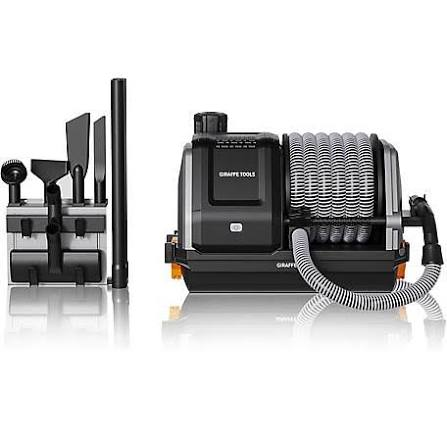
Unlike many standard household vacuum cleaners, a garage vacuum is generally designed for tougher environments and heavier debris. Depending on the model, it may be suitable for cleaning vehicles, garage floors, workshops, workbenches, shelves, and other areas where ordinary household vacuums may not be ideal. Many models also include long hoses, multiple attachments, powerful motors, and large-capacity collection containers.
For homeowners, mechanics, DIY enthusiasts, and workshop users, choosing the right garage vacuum can make cleaning faster and more convenient. From a wet dry garage vacuum to a wall-mounted garage vacuum system, there are several options available for different cleaning requirements.
Could a Garage Vacuum Make Garage Cleaning Easier?
A garage vacuum is specifically suited to the type of mess commonly found in garages and workshops. Dirt tracked in from vehicles, dust from storage areas, small pieces of debris, and workshop particles can quickly accumulate on the floor. A powerful garage vacuum can remove these materials efficiently and help maintain a cleaner working environment.
One of the biggest advantages of a garage vacuum is its versatility. Many models are designed as wet and dry vacuums, allowing them to handle both dry debris and certain liquid spills when used according to the manufacturer's instructions. This can be particularly useful in garages where different types of messes can occur.
A wet dry garage vacuum often features a durable collection tank and a strong suction motor. These characteristics allow it to handle heavier debris than many compact household vacuums. For example, after a DIY project, a garage floor may contain sawdust, small pieces of material, dirt, and other particles. A suitable shop vacuum for garage cleaning can help collect this debris without requiring extensive manual sweeping.
Another useful feature is the hose. A long vacuum hose provides greater reach and allows users to clean corners, shelves, vehicles, and workbenches without repeatedly moving the main unit. Some garage vacuum systems are wall-mounted, which keeps the vacuum off the floor and creates additional storage space.
Which Garage Vacuum Features Matter Most?
Selecting the right garage vacuum depends on the type of cleaning you expect to perform. Suction power is an important consideration because garage debris can be heavier and more varied than ordinary household dust. A strong motor can provide the necessary suction for floors, vehicles, work areas, and larger particles.
Capacity is another important factor. A vacuum with a larger collection tank can hold more debris before it needs to be emptied. This can be useful in busy garages and workshops where cleaning takes place frequently. A larger capacity can reduce interruptions during longer cleaning sessions.
Filtration is also important, particularly when dealing with fine dust. A quality filtration system can help capture smaller particles and reduce the amount of dust released back into the surrounding environment. Users should select filters appropriate for the type of debris they expect to collect.
A garage shop vacuum can also benefit from a variety of attachments. Crevice tools can help reach narrow spaces, while wider floor accessories can make cleaning larger areas easier. Specialized car-cleaning attachments can be useful for seats, dashboards, floor mats, and other vehicle surfaces.
The hose length and power cord length can influence convenience as well. A longer reach allows users to clean more of the garage without moving the vacuum constantly. For larger garages, this can significantly improve the overall cleaning experience.
Durability should not be overlooked. Garage environments can be rough on equipment, especially when vacuums are regularly moved across concrete floors or used around workshops. A strong housing, sturdy wheels, reliable hose connections, and durable accessories can contribute to a longer-lasting garage cleaning vacuum.
Can a Garage Vacuum Clean Cars and Workshop Areas?
A garage vacuum can be particularly useful for vehicle cleaning. Cars often collect dust, dirt, sand, crumbs, and other debris inside the cabin. A vacuum with suitable attachments can help clean seats, carpets, floor mats, storage compartments, and hard-to-reach areas.
A car vacuum for garage use can provide more flexibility than a small handheld vacuum because it may offer stronger suction and a longer hose. This allows users to move around the vehicle while keeping the main vacuum unit in one convenient location.
Garage vacuums are also useful for workshops. DIY projects and repair work can create sawdust, metal particles, dirt, and other debris. A powerful shop vacuum can help keep the work area organized after a project. Some workshop vacuum systems can also be paired with compatible tools for dust collection, depending on the manufacturer's design and safety recommendations.
A wall-mounted garage vacuum can be especially convenient in dedicated workspaces. Since the main unit is mounted above the floor, the garage remains easier to navigate and the vacuum is readily accessible when needed. The hose can be extended during cleaning and stored afterward, reducing equipment clutter.
However, users should always check the vacuum's specifications before collecting specialized materials. Certain fine particles, liquids, chemicals, or hazardous substances may require equipment specifically designed for those materials. Following the manufacturer's instructions is essential for safe and reliable operation.
Is a Garage Vacuum a Smart Investment for Everyday Cleaning?
For homeowners who frequently use their garage, a garage vacuum can be a practical long-term investment. A clean garage is easier to organize, and removing dust and debris regularly can make the space more pleasant for storage, vehicle maintenance, hobbies, and DIY projects.
The right vacuum can also reduce the effort required for routine cleaning. Instead of relying entirely on a broom and dustpan, users can quickly remove loose dirt and debris with a powerful vacuum. This can be particularly useful for garages that experience frequent vehicle traffic or workshop activity.
When comparing garage vacuum options, it is useful to consider suction performance, tank capacity, filtration, hose length, attachments, durability, and storage design. A compact model may be sufficient for occasional household garage cleaning, while a heavy-duty shop vacuum may be more appropriate for a workshop or frequently used workspace.
Budget is another consideration. More expensive models often include additional features or stronger construction, but the most expensive garage vacuum is not automatically the best option for every user. Choosing equipment based on actual cleaning requirements can provide better value.
Conclusion
A garage vacuum is a versatile cleaning tool designed to handle the dirt, dust, and debris commonly found in garages, workshops, and vehicles. With powerful suction, durable construction, useful attachments, and convenient hose systems, a suitable garage vacuum can make regular maintenance significantly easier.
Whether you need a wet dry garage vacuum, wall-mounted garage vacuum, shop vacuum for garage cleaning, or a powerful car vacuum system, the ideal choice depends on your specific cleaning needs. Capacity, filtration, suction power, hose reach, durability, and accessories should all be considered before making a purchase.