







Compact walkers are becoming a practical choice for people who want reliable walking support without dealing with a large or difficult-to-store mobility aid. Designed with portability and convenience in mind, compact walkers can make it easier to move around the home, travel, shop, or participate in everyday activities while maintaining a greater sense of independence.
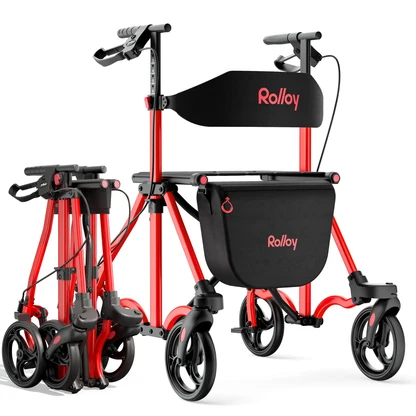
Unlike larger mobility equipment, compact walkers are generally designed to take up less space while still providing useful stability. Many modern models feature lightweight frames, folding mechanisms, adjustable handles, and easy-to-manage wheels. Depending on individual needs, users can choose from a compact rollator, folding walker, narrow walker, or lightweight walker designed for indoor and outdoor use.
For anyone comparing mobility aids, understanding the features, benefits, comfort, and practical considerations of compact walkers can make the buying process much easier.
Compact Walkers for Everyday Mobility
Compact walkers are designed to provide walking assistance while remaining relatively easy to maneuver and store. Their smaller overall design can be especially useful in homes with narrow hallways, smaller rooms, tight doorways, or limited storage space. A traditional walker may sometimes feel bulky in these environments, whereas a compact walking aid can provide a more convenient alternative.
A lightweight compact walker can also be easier to transport. People who regularly travel by car may appreciate a folding walker that can fit into a vehicle without occupying excessive space. Some compact rollators are specifically designed to fold quickly, making them useful for trips, appointments, shopping, and other activities away from home.
The term compact walkers can refer to several different styles. Some models have two wheels, while others are four-wheel rollators with seats and hand brakes. The appropriate design depends on the level of support required and the environment in which the walker will be used.
For indoor mobility, a narrow walker can be particularly useful. Its reduced width can make it easier to move through doorways and between furniture. A compact walker with wheels may provide smoother movement, while a more traditional frame-style walker can offer a different type of stability.
Compact Walkers With Comfortable and Practical Features
Modern compact walkers are designed around more than simple walking support. Manufacturers often incorporate features that make daily use easier and more comfortable. Adjustable handles allow the walker to be positioned at a suitable height, helping users maintain a more natural posture while moving.
A folding compact walker is another popular option because it can simplify storage and transportation. When folded, the walker may take up considerably less room in a closet, vehicle, or storage area. This can be particularly valuable for people living in apartments or homes where storage space is limited.
Compact rollators can provide additional convenience by combining wheels, hand brakes, and seating. A rollator walker with seat allows the user to stop and rest when needed, although the brakes should be securely engaged before sitting. Some designs also include storage bags, baskets, or pouches for carrying lightweight personal belongings.
Comfort is another important consideration. Hand grips should feel secure without being uncomfortable, while the frame should provide appropriate support. If the walker includes a seat, the seat dimensions and padding can influence how comfortable it is during rest periods.
The weight capacity should always be checked before purchasing compact walkers. Different models are manufactured with different weight limits, and choosing a walker with an appropriate capacity is essential for safe and dependable use.
Compact Walkers for Travel and Small Spaces
Portability is one of the biggest advantages associated with compact walkers. People who travel frequently may prefer a lightweight folding walker because it can be easier to lift and store than a larger mobility aid. A compact design can also be useful when visiting family members, attending appointments, going shopping, or traveling by car.
For people living in smaller homes, compact walkers can help solve storage and maneuverability challenges. A narrow walker may be easier to move through smaller doorways and corridors. However, the exact width and dimensions should always be checked before buying, particularly when the walker will be used in a home with tight spaces.
Compact walkers can also be useful outside the home. A four-wheel compact rollator may provide convenient movement on appropriate paved surfaces, while larger wheels can be beneficial for certain outdoor environments. Users should select a model according to the surfaces where it will be used and follow the manufacturer's recommendations.
A compact walker with seat may be particularly useful for longer outings because it combines walking support with a convenient place to rest. This can reduce the need to search for seating during shopping trips, outdoor activities, or other situations where standing for extended periods may become uncomfortable.
Safe and Comfortable Use of Compact Walkers
Selecting the right compact walker is only part of achieving comfortable mobility. Correct adjustment and proper use are also important. The handle height should be adjusted according to the manufacturer's instructions, and users should become familiar with the brakes and folding mechanism before using the walker regularly.
If the walker has wheels and hand brakes, users should practice controlling the walker in a safe environment. The brakes should be checked regularly to make sure they operate correctly. If the model includes a seat, the walker should be stopped securely and the brakes engaged before sitting.
Compact walkers should also be inspected periodically. Wheels, grips, frame connections, brakes, and folding components should remain in good working condition. Any unusual looseness, damage, or braking problem should be addressed according to the manufacturer's instructions.
Choosing a walker based solely on its small size is not always the best approach. Stability, weight capacity, handle adjustment, wheel design, seat comfort, and intended environment are equally important. A healthcare professional or mobility specialist can provide individualized guidance when someone is uncertain about the type of walking aid that best matches their needs.
Conclusion
Compact walkers offer a practical combination of mobility support, portability, and space-saving design. Their smaller dimensions can make them especially useful for homes with limited space, narrow hallways, travel, shopping, and everyday activities. Options such as lightweight walkers, folding walkers, narrow walkers, and compact rollators provide different features for different mobility requirements.
When choosing compact walkers, users should consider more than appearance or size. Handle height, frame stability, wheel design, braking performance, weight capacity, folding convenience, and seat comfort can all affect usability. A properly selected walker can make everyday movement more convenient while providing useful support in appropriate environments.