






Social media has become one of the most important channels for communication, customer interaction, brand discovery, and online reputation. Every day, people discuss products, services, companies, competitors, trends, and experiences across different social platforms. For businesses, keeping track of these conversations can provide valuable information that traditional marketing research may not reveal. A social media monitoring tool helps businesses collect, organize, and analyze these online conversations so they can better understand their audience and make informed marketing decisions.
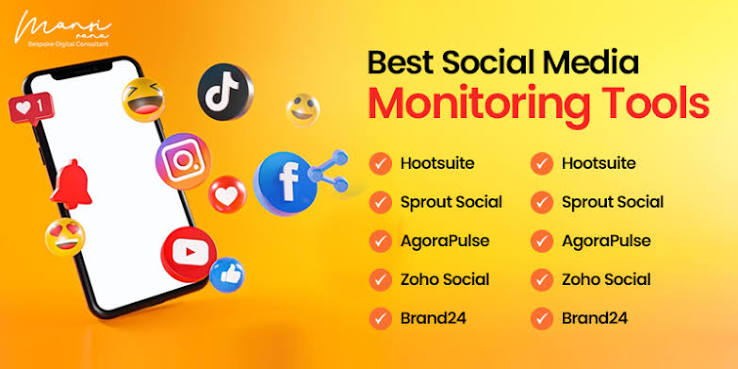
Modern businesses cannot rely only on scheduled social media posts and basic engagement metrics. Customers may mention a brand without tagging its official account, discuss competitors, share product experiences, or ask questions that could represent future purchasing opportunities. Social media monitoring software can help identify these conversations and provide businesses with a broader view of their online presence.
A reliable social media monitoring tool can support brand monitoring, customer feedback analysis, competitor research, reputation management, social media analytics, and marketing strategy. By paying attention to relevant conversations, businesses can discover valuable trends while improving their relationships with customers.
Social Media Monitoring and Brand Visibility
A social media monitoring tool allows businesses to track mentions of their brand, products, services, campaigns, competitors, and selected keywords across social media platforms and other online sources. Instead of manually checking multiple websites and applications throughout the day, marketers can use monitoring software to collect relevant information in a centralized environment.
Brand monitoring is particularly important because customers do not always communicate directly with a company. Someone may discuss a product, recommend a service, complain about an experience, or compare two brands without tagging either business. These conversations can still influence other potential customers.
Social media monitoring software helps businesses identify these discussions and understand the general level of attention surrounding their brand. Monitoring brand mentions can also help companies recognize changes in conversation volume. A sudden increase in mentions may occur after a product launch, promotional campaign, news event, viral post, or customer service issue.
Social media analytics can add another layer of insight. Businesses can examine engagement patterns, conversation volume, audience reactions, and frequently discussed subjects. These insights can help marketing teams determine which topics generate interest and which messages may need improvement.
For growing brands, maintaining online visibility is not simply about gaining followers. It is also about understanding how people perceive the company and what they say about it when the business is not directly involved in the conversation.
Customer Sentiment and Competitive Intelligence
Customer sentiment is an important part of modern digital marketing. A good social media monitoring tool can help businesses evaluate whether online discussions are generally positive, negative, or neutral. Sentiment analysis is not perfect and should not replace human judgment, but it can provide useful direction when businesses are analyzing large amounts of online conversation.
Understanding sentiment can help companies recognize recurring customer concerns. If users repeatedly mention difficulties with a product feature or customer service experience, those conversations may highlight areas that deserve attention. Positive discussions can also reveal the strengths customers value most.
Customer feedback gathered through social media monitoring can influence product development, content creation, customer support, and marketing communication. Instead of relying entirely on assumptions, businesses can use real conversations to understand their audiences more effectively.
Competitive intelligence is another valuable application. A social media monitoring tool for businesses can track conversations about competitors and identify common themes surrounding competing products or services. Marketers can study how audiences respond to competitor campaigns, features, pricing discussions, and customer experiences.
This information can help businesses identify opportunities in their own markets. For instance, if customers frequently praise a competitor for one feature but express frustration about another, a competing company may use that insight to improve its positioning and emphasize areas where it provides stronger value.
Competitive monitoring should focus on understanding market expectations rather than simply copying competitors. The goal is to discover opportunities, identify customer needs, and make better strategic decisions.
Social Media Monitoring for Marketing and Customer Engagement
A social media monitoring tool can become an important part of a broader digital marketing strategy. Social media conversations can provide content ideas, customer questions, industry trends, and useful language that marketers can incorporate into campaigns.
Content teams can monitor discussions to discover topics that audiences are actively interested in. Questions frequently appearing in social conversations can inspire blog articles, videos, guides, social media posts, and educational resources. This can make content more relevant because it is based on genuine audience interests.
Customer engagement can also improve through effective monitoring. When businesses know where customers are discussing their products, they can identify conversations that require a response. A helpful and timely response can demonstrate that the company is attentive and interested in customer experiences.
Social media monitoring is also valuable during marketing campaigns. Businesses can observe how audiences react after a campaign launches and compare conversation levels with previous periods. This can help marketers understand whether a campaign generated meaningful attention and which messages produced stronger audience reactions.
Influencer research can benefit from social monitoring as well. Businesses can examine conversations around potential creators and understand the subjects their audiences discuss. This provides additional context beyond simple follower counts and can help brands make more informed partnership decisions.
For SEO and content marketing teams, social monitoring can also reveal semantic keywords and long-tail phrases. The way customers naturally describe problems and products may provide useful ideas for future website content. These phrases can be incorporated naturally into articles, landing pages, FAQs, and other resources.
Choosing the Right Social Media Monitoring Tool
Choosing the right social media monitoring tool depends on the specific needs of a business. Different platforms offer different levels of data coverage, analytics, reporting, historical information, keyword tracking, sentiment analysis, and competitor monitoring.
Data coverage should be one of the main considerations. A business should select software that monitors the social networks and online sources most relevant to its audience. A company whose customers are active in several social communities may require broader monitoring capabilities than a small business focused on one primary platform.
Keyword tracking is also important. Effective monitoring depends on creating relevant searches around brand names, product names, industry terms, competitors, campaigns, hashtags, and customer concerns. Poorly selected keywords can produce too much irrelevant information, while carefully structured searches can generate much more useful insights.
The platform's reporting system should also be considered. Marketing teams often need to present social media performance and audience insights to business owners, managers, or clients. Clear dashboards and understandable reports can make it easier to communicate important trends.
Ease of use is equally valuable. Social media generates a huge amount of information, so a complicated monitoring platform can make analysis unnecessarily difficult. A practical solution should help users filter conversations, identify important mentions, analyze trends, and focus on information that can support business decisions.
Integration with other marketing systems can further improve efficiency. Connecting monitoring insights with customer relationship management, analytics, social media management, or customer service systems can help create a more connected marketing workflow.
The best approach is not to collect the largest possible amount of data. Instead, businesses should focus on collecting relevant information and turning it into actionable insights. Effective monitoring requires clear objectives, appropriate keywords, regular analysis, and thoughtful interpretation.
Conclusion
A social media monitoring tool can provide businesses with a clearer understanding of their online presence, customers, competitors, and industry conversations. By tracking brand mentions, analyzing customer sentiment, monitoring competitors, and identifying emerging discussions, companies can make better-informed marketing and communication decisions.
Social media monitoring software is particularly valuable because online conversations can happen at any time and across many different channels. Businesses that actively monitor these conversations can recognize opportunities, respond to concerns, understand customer expectations, and improve their overall digital strategy.