





Family-friendly restaurants offer more than food. They provide a place where parents can relax, children can enjoy their meals, and families can spend quality time together. Creating a comfortable dining experience requires attention to different needs, from welcoming staff and suitable seating to attractive food presentation and convenient packaging.
Restaurants do not always need expensive upgrades to make families feel welcome. Small improvements in service, menu choices, cleanliness, and dining arrangements can make a lasting impression. Thoughtful details, such as custom happy meal boxes, can also make children's meals more exciting while giving restaurants an opportunity to build a recognizable brand.
1. Create a Welcoming Atmosphere for Families
The restaurant environment plays an important role in the family dining experience. Parents need enough space to sit comfortably with children, while younger guests appreciate a friendly and relaxed atmosphere.
Restaurants can provide suitable seating arrangements, high chairs, and enough room for strollers. Keeping walkways clear also makes it easier for families to move around.
A warm welcome from staff can help parents feel comfortable from the moment they arrive.
2. Offer a Menu for Different Age Groups
Families often have different food preferences. Adults may prefer full meals, while children usually look for simple and familiar options.
Restaurants can offer smaller portions, mild flavors, and easy-to-eat meals for younger customers. Including healthy choices alongside popular favorites gives parents more flexibility.
Clear menu descriptions also help families understand ingredients and make suitable choices, especially when children have food allergies or dietary requirements.
3. Make Children's Meals More Exciting
Children enjoy meals that look fun and interesting. Restaurants can improve the experience through colorful presentation, creative meal names, and attractive serving materials.
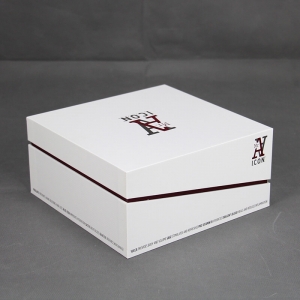
Custom happy meal boxes can make children's orders feel more special. Restaurants can use playful colors, simple illustrations, and recognizable brand designs to create packaging that appeals to younger customers.
The packaging should also be practical, easy to open, and suitable for holding the food securely.
4. Keep Dining Areas Clean and Comfortable
Cleanliness is especially important for families with young children. Parents want a dining space where tables, chairs, floors, and restrooms are properly maintained.
Staff should clean tables between visits and remove leftover food promptly. High chairs and other shared items should also be cleaned according to proper hygiene procedures.
Keeping napkins and suitable cleaning supplies available can make dining more convenient for families.
5. Provide Convenient Food Packaging
Packaging can make a big difference when families order takeaway or want to take unfinished food home. Containers should be easy to carry, close securely, and protect food during transportation.
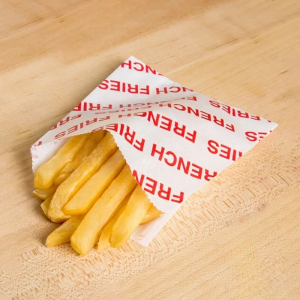
Restaurants should select suitable boxes, bags, and wrapping materials for their menu items. Working with a reliable wax paper manufacturer can help businesses find food-safe paper options for wrapping and serving suitable foods.
For example, paper wraps and liners can help keep meals organized while adding a clean appearance. Materials should always meet the food-contact and temperature requirements of the intended use.
6. Train Staff to Understand Family Needs
Friendly and patient employees can make family visits more enjoyable. Staff should be ready to answer questions, explain children's menu options, and respond politely to special requests.
Parents may need extra time to place orders or require assistance with high chairs and seating. Employees who understand these needs can provide better service without making families feel rushed.
Simple staff training can help create a consistent and welcoming experience.
7. Offer Simple Activities for Children
Children may become restless while waiting for food. Restaurants can make waiting periods more enjoyable by providing simple activities.
Coloring sheets, crayons, small activity cards, or child-friendly menu designs can keep younger guests occupied. These activities do not need to be expensive or complicated.
Restaurants should choose safe, age-appropriate options that do not create unnecessary clutter or interfere with food preparation.
8. Make Ordering and Payment Easy
A smooth ordering process helps families enjoy their visits without unnecessary stress. Clear menus, visible prices, and organized ordering counters make it easier to choose meals.
Restaurants can also offer convenient payment options and provide accurate waiting-time information. For larger families, clear order confirmation helps prevent missing items or incorrect meals.
A simple and efficient process improves the overall experience.
9. Build a Consistent Restaurant Identity
A recognizable brand helps families remember their favorite dining places. Restaurants can use consistent colors, logos, and design elements across menus, packaging, uniforms, and dining areas.
For example, matching food boxes, paper wraps, cups, and takeaway bags can create a unified appearance. Children's packaging can use playful designs while still following the restaurant's main brand identity.
Consistent presentation makes the business look more professional and familiar to returning customers.
10. Listen to Families and Improve the Experience
Customer feedback helps restaurants understand what families enjoy and what needs improvement. Parents may share useful suggestions about seating, children's portions, waiting times, cleanliness, or takeaway packaging.
Restaurants can collect feedback through short surveys, online reviews, or direct conversations. Reviewing common comments helps businesses make practical changes.
Small improvements based on real customer needs can encourage families to visit again.
Conclusion
Family-friendly restaurants can create memorable dining experiences by focusing on comfort, convenience, cleanliness, and friendly service. Suitable menus, engaging children's activities, attractive meal packaging, and organized dining spaces all help families enjoy their visits. Thoughtful details such as custom meal boxes and food-safe paper materials can also improve presentation while supporting a consistent brand identity. By understanding the needs of both parents and children, restaurants can build positive experiences that encourage families to return.