



Food safety is one of the most important parts of baking and food preparation. Bakeries, restaurants, cafes, and food businesses must choose materials that protect food and keep it clean during handling, cooking, storage, and serving. The right materials can also help maintain food quality and improve the overall customer experience.
From baking sheets and food wrappers to storage containers and packaging, every material has a purpose. Businesses should understand which products are suitable for direct food contact and how they should be used. For example, custom printed parchment paper can help bakeries prepare and present baked goods while adding a professional look to their products.
1. Why Food-Safe Materials Matter
Food-safe materials help prevent unwanted substances from moving into food. They are designed for specific uses and should meet the safety requirements for the food they touch.
Using suitable materials also helps businesses maintain clean preparation areas. Whether a bakery is preparing cookies or a restaurant is serving sandwiches, the materials used should be appropriate for the food and its handling conditions.
Choosing the wrong material can affect food quality and create avoidable safety concerns.
2. Choose the Right Paper for Baking
Baking paper is a common item in professional and home kitchens. It helps prevent food from sticking to baking trays and makes cleanup easier.
Parchment paper is often used for cookies, cakes, pastries, and other baked products. It is designed to handle baking conditions within its stated temperature limits.
Businesses should always check the product specifications before using baking paper. Not every food paper is suitable for oven use, so choosing the correct type is important.
3. Understand the Difference Between Parchment and Wax Paper
Parchment paper and wax paper may look similar, but they serve different purposes.
Parchment paper is commonly used for baking because it has heat-resistant properties within its recommended temperature range. Wax paper has a wax coating that helps resist moisture and is useful for wrapping and handling certain foods.
Wax paper should not be used as a direct substitute for parchment paper in an oven. Its wax coating can melt or smoke when exposed to high heat.
Understanding these differences helps food businesses select the right material for each task.
4. Use Safe Materials for Food Preparation
Clean preparation surfaces and suitable tools are essential in any food business. Cutting boards, mixing bowls, utensils, and food-contact surfaces should be made from materials intended for food use.
Employees should also clean and sanitize reusable equipment according to proper procedures. Disposable materials should be stored in clean, dry areas and protected from dust, moisture, and other sources of contamination.
These simple practices help maintain a safer working environment.
5. Select Suitable Food Wrapping Materials
Food wrapping materials help protect products during handling, storage, and takeaway service. Different foods need different types of wrapping.
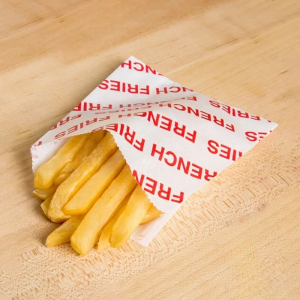
For example, grease-resistant paper can be useful for burgers, sandwiches, and fried foods. Suitable food-grade paper can also help keep baked goods organized during packing.
When selecting a wax paper manufacturer, businesses should look for clear information about paper materials, coatings, printing inks, and intended food-contact applications. This helps them choose products that match their packaging and preparation needs.
6. Pay Attention to Coatings and Printing Inks
Food packaging may include coatings and printed designs. These features can improve performance and help businesses display their branding, but they must be suitable for the intended application.
Food-contact coatings should meet relevant safety requirements. Printing inks should also be selected and applied carefully to reduce the risk of unwanted transfer to food.
Businesses should ask suppliers for product specifications and supporting compliance information rather than assuming that every printed paper product is suitable for direct food contact.
7. Store Food-Safe Materials Properly
Even suitable food-contact materials can become contaminated if they are stored incorrectly. Paper products, containers, and utensils should be kept away from chemicals, cleaning supplies, moisture, and dust.
Bakeries should use clean storage shelves and keep packaging materials covered when they are not in use. Materials should also remain in their original packaging until needed whenever practical.
Proper storage helps protect materials before they reach the preparation area.
8. Train Employees in Safe Handling Practices
Employees should understand how to use different food-contact materials. They need to know which paper is suitable for baking, which materials are designed for wrapping, and how disposable products should be handled.
Training should also cover handwashing, clean work surfaces, and the separation of raw and ready-to-eat foods.
Clear instructions can reduce mistakes and help maintain consistent food safety standards across every shift.
9. Consider Quality and Sustainability Together
Food businesses are paying more attention to packaging waste and material choices. They can explore recyclable or responsibly sourced options when these products meet the needs of their food and local waste systems.
However, sustainability should not replace food safety. A material must first be suitable for its intended use, including its temperature, moisture, and grease-resistance requirements.
The best choice balances product protection, practical performance, and responsible material use.
10. Build Customer Confidence Through Better Food Preparation
Customers expect food businesses to maintain clean and professional standards. Safe preparation methods, suitable packaging, and careful handling all help build confidence.
Consistent packaging can also improve product presentation. Bakeries and restaurants can use suitable branded papers, containers, and boxes to create a recognizable appearance without compromising food safety.
Businesses that pay attention to these details can strengthen customer trust and provide a better experience.
Conclusion
Food-safe materials play an important role in modern baking and food preparation. From choosing the right baking paper to selecting suitable wrapping materials, every decision can affect food quality, cleanliness, and presentation. Businesses should understand material differences, check product specifications, store supplies correctly, and train employees in safe handling practices. By making informed choices, bakeries and restaurants can protect their products, maintain consistent standards, and create a professional experience for their customers.