


Introduction
Choosing an operation theatre with a laminar airflow arrangement requires careful evaluation of room construction, filtration, ventilation, equipment integration, and maintenance access. Hospitals should assess these features according to their clinical requirements and approved engineering specifications.
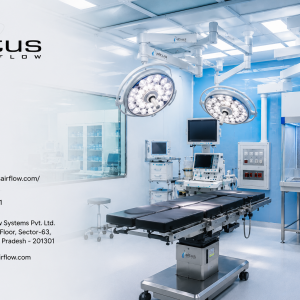
A Modular OT With Laminar Airflow should be designed as an integrated environment where modular components and technical systems work together.
1. Modular Wall Panel Construction
Review panel materials, surface finishes, dimensions, joint arrangements, and compatibility with the intended cleaning procedures.
2. Ceiling and Lighting Integration
The ceiling should accommodate filtration units, surgical lights, monitors, and other fixtures. Their locations should be coordinated to reduce installation conflicts.
3. HEPA Filtration Arrangement
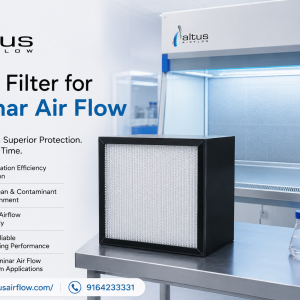
Check the filter grade, dimensions, rated airflow, pressure drop, sealing method, and maintenance access.
4. Airflow Distribution Design
The system should have a clearly defined supply and return arrangement. Airflow coverage and velocity requirements should be established through project-specific engineering.
5. Temperature and Humidity Control
The HVAC design should provide the environmental conditions specified for the intended operation theatre application.
6. Pressure Monitoring
Where required, the system should include suitable arrangements to monitor pressure relationships between the operation theatre and adjoining areas.
7. Electrical and Medical Service Integration
Power outlets, control panels, surgical lighting connections, and medical gas outlets should be planned according to the approved equipment layout.
8. Maintenance Accessibility
Filters, service panels, sensors, and other components should be accessible for inspection and servicing.
9. Testing and Commissioning
Review the planned procedures for airflow measurements, filter integrity testing, pressure verification, electrical safety, and final documentation.
Conclusion
When selecting a modular OT with laminar airflow, hospitals should evaluate panel construction, filtration, air distribution, equipment integration, pressure monitoring, and maintenance access. The complete design should match the hospital's requirements and undergo suitable commissioning. Altus Airflow offers modular OT solutions developed around project-specific technical specifications.
Frequently Asked Questions (FAQs)
1. What is the most important feature of a modular OT airflow system?
There is no single feature. Filtration, airflow distribution, room design, and system integration all matter.
2. What should be checked in HEPA filters?
Filter grade, airflow rating, pressure drop, sealing, certification, and maintenance access.
3. Why is ceiling integration important?
It helps coordinate filters, lights, monitors, and other ceiling-mounted equipment.
4. Is pressure monitoring always required?
It depends on the project design and applicable healthcare requirements.
5. What should be tested before handover?
The specified ventilation, filtration, pressure, electrical, and equipment functions should be inspected and tested.