






Listen to this article
Estimated 4 minutes
The audio version of this article is generated by AI-based technology. Mispronunciations can occur. We are working with our partners to continually review and improve the results.
Researchers and hunters say transporting food between communities is difficult, expensive and sometimes unreliable — and it's leading to lots of spoiled food.
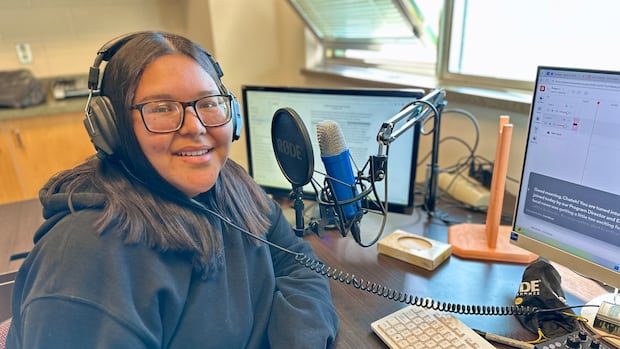
Katrin Schmid, an anthropology PhD candidate at the University of Vienna, spoke with people from several Inuit communities about food transportation systems.
Schmid said she was surprised by how much food spoilage happens during transport, as limited freezer space at airports, broken community freezers, and delays in cargo handling can lead to food becoming inedible before it reaches families.
"The freezers and fridges are often not working," said Schmid, "and then they're out for the season until somebody comes to repair them because the capacity to fix them in the community is also very limited."
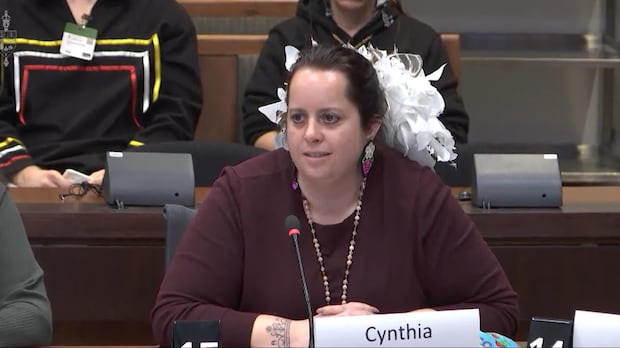
 Schmid, a PhD candidate, is researching food transportation networks in Inuit communities. She said she was surprised by the amount of spoilage that occurs. (Tharsha Ravichakaravarthy)
"For a territory that has such high food insecurity," she says, "so much is still being allowed to spoil."
Schmid's research published in the academic journal Food, Culture & Society focuses on the intersection of transportation systems and food access in Nunavut, including both imported food from the south and country food harvested locally.
"In the summer, there are animals that get to them," she said. "In winter, sometimes they freeze so badly that they can't be eaten, or they get lost."
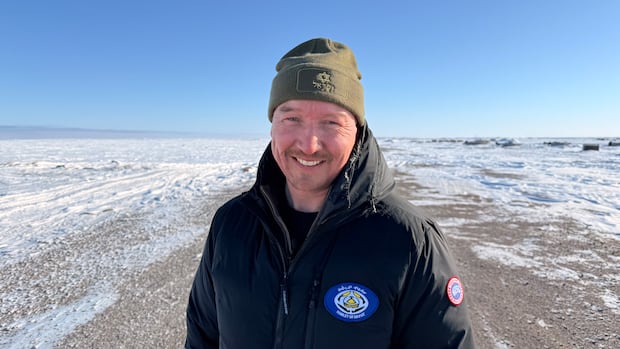
Expanding sharing networksJimmy Akavak, chair of the Amaruq Hunters and Trappers Association in Iqaluit, says sharing country food has long been central to Inuit life.
 'When you share, it's going to become abundant,' says Akavak. 'You'll have better luck when you hunt next time.' (Submitted by Jimmy Akavak)
Families often send caribou, seal, fish, and other harvested food to relatives living in other communities or in the south.
As people move to different communities for jobs, education, and other opportunities, those sharing networks expand, Schmid said.
Getting that food to people safely can be complicated.
"As you know, we fly in and fly out. There's no road out to the community, so everything's flowing by cargo," said Akavak.
According to Akavak, delays between connecting airlines and limited cargo space can sometimes create problems, particularly during warmer months.
"We have received cargo and it's smelly, stinky, as if it was kept maybe in the cooler, not the freezer," he said. Some food, he said, has had to be thrown away after arriving spoiled.
He also points to packaging challenges, saying country food is often shipped in cardboard boxes with limited insulation or sealing.
Sourcing locallyAkavak says transportation challenges have become more noticeable on Baffin Island due to ongoing caribou hunting restrictions.
A moratorium in 2015 halted caribou hunting across much of Baffin Island before limited community quotas were later introduced.
As a result, many Nunavummiut now order caribou from other regions, including Nunavut's Kivalliq region.
 Caribou near Rankin Inlet (Noel Kaludjak/CBC)
"It's $600-$700 easy per caribou once you order," he said. The price includes both meat and air cargo costs, with deliveries sometimes taking weeks to arrive.
Schmid says the issues highlights broader conversations happening in Nunavut around food sovereignty — not just access to food, but the availability of culturally important ingredients and harvesting practices.
"The conversation around food right now is directed at just filling people's stomachs," Schmid said, "and less so around what kinds of foods are filling those stomachs."
She pointed to Inuit-led programs supporting hunters and harvesting as examples of solutions already being explored in Nunavut.
Akavak says many hunters still prioritize sharing over selling, despite rising costs and economic pressures.
"When you share, it's going to become abundant," he said. "You'll have better luck when you hunt next time."